What Are Waking Nightmares in Diablo 4?
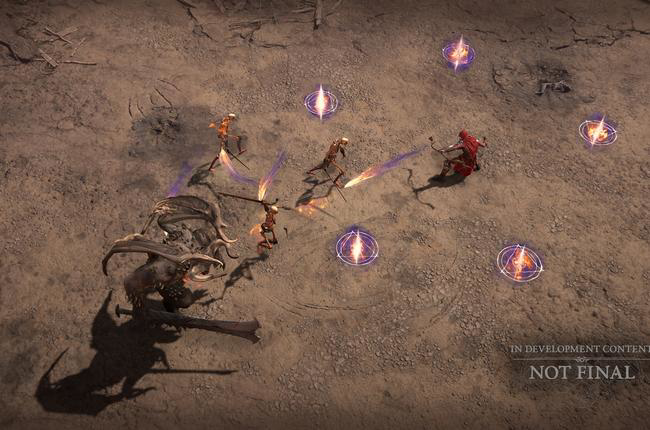
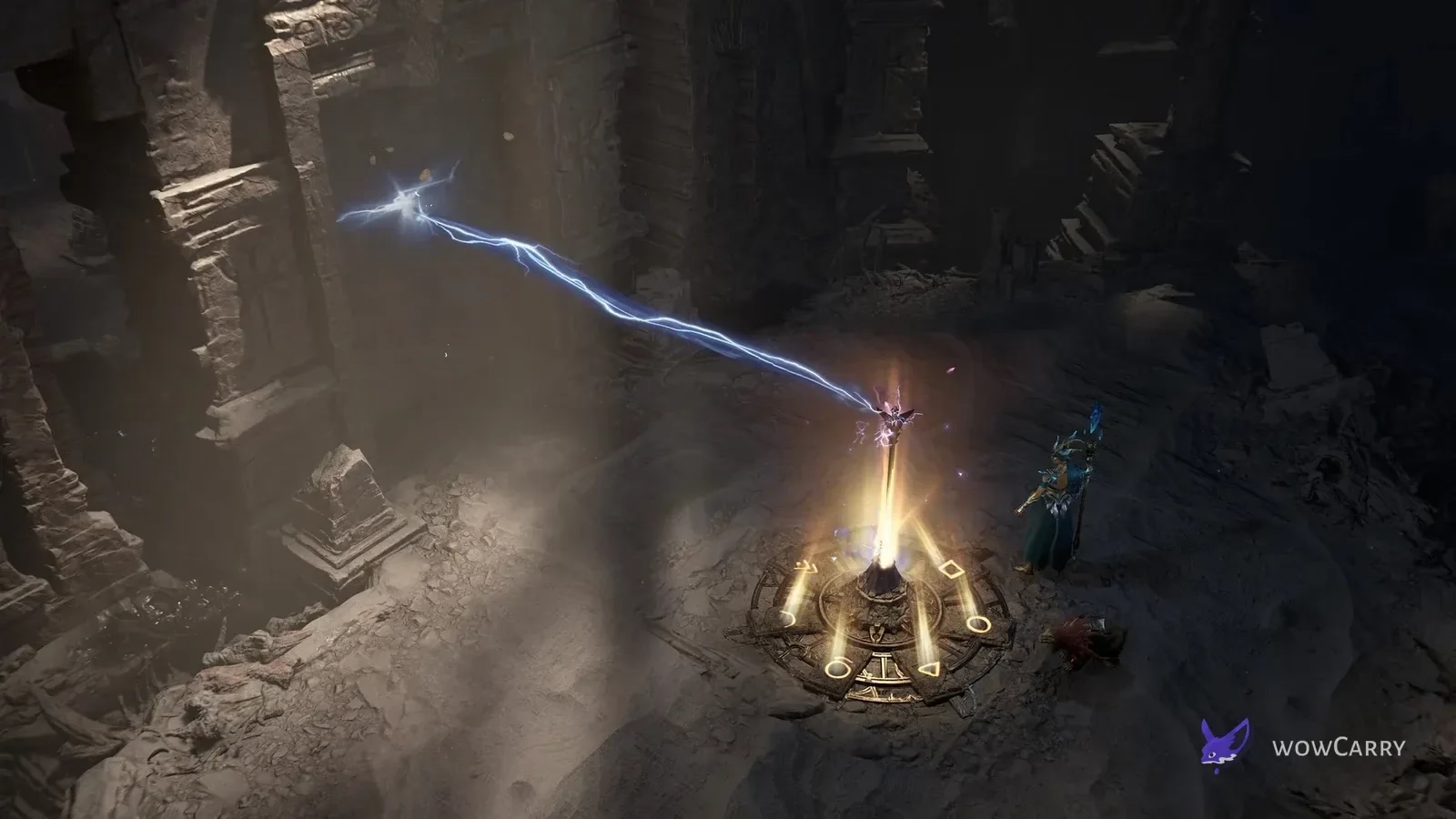
Waking Nightmares are three kinds of encounter in Season of Hell’s Legacy: large multi-level Capstones, standard-length fixed-location dungeons and small overworld encounters. They revisit scenes and enemies from Diablo’s past using encounters rebuilt for Diablo IV. The shared name does not mean they all have the same entry method or reward purpose.
Start with the seasonal questline if you are trying to reach the large encounters for the first time. If your goal is changing your Prime Evil reputation path, target the largest Waking Nightmares rather than assuming that every small world encounter supplies the same Splinter.
Key Takeaways
- Waking Nightmares are distinct from the ordinary Nightmare Dungeon activity.
- Large encounters are introduced through the seasonal questline and can be replayed on Torment.
- The large Capstones have fixed difficulty; pinnacle versions are available at Torment 10+.
- Standard-length Waking Nightmares have fixed locations in the world.
- Small versions appear in the open world and contain a compact encounter.
- The largest versions provide another Splinter when you want to change your Prime Evil path.
These distinctions follow Blizzard’s live Season of Hell’s Legacy overview. The recommendations below organize those rules into a first-session plan; they are not a claim of measured loot rates or personal farming tests.
Compare the Three Encounter Types
Choose by objective first. A short encounter found while exploring is useful incidental content, while a Capstone is an intentional progression attempt with a different preparation burden.
| Type | Where and how it fits | Reason to choose it |
|---|---|---|
| Large multi-level Capstone | Introduced in the seasonal story; replayable on Torment at a fixed difficulty | Revisit a Prime Evil showdown, pursue its rewards or acquire another path-changing Splinter |
| Standard-length dungeon | A fixed world location, similar in scale to a normal dungeon | Explore a recreated classic setting such as the Den of Evil |
| Small overworld encounter | Appears in the open world; a one-room boss or monster-wave encounter | Take on a compact encounter encountered during exploration |
| Pinnacle Capstone version | Available at Torment 10+ | Attempt the more demanding version when your character is ready |
Blizzard gives Queen Araneae and Flayer waves as examples of the smallest encounters. Treat these as examples of the format, not a promise that every appearance has the same enemy, duration or loot.
Your First Waking Nightmares Session
Follow the seasonal story until it introduces the large Capstone encounters. Keep the quest objective visible and finish the introduction before planning a repeat route around a system you have not unlocked.
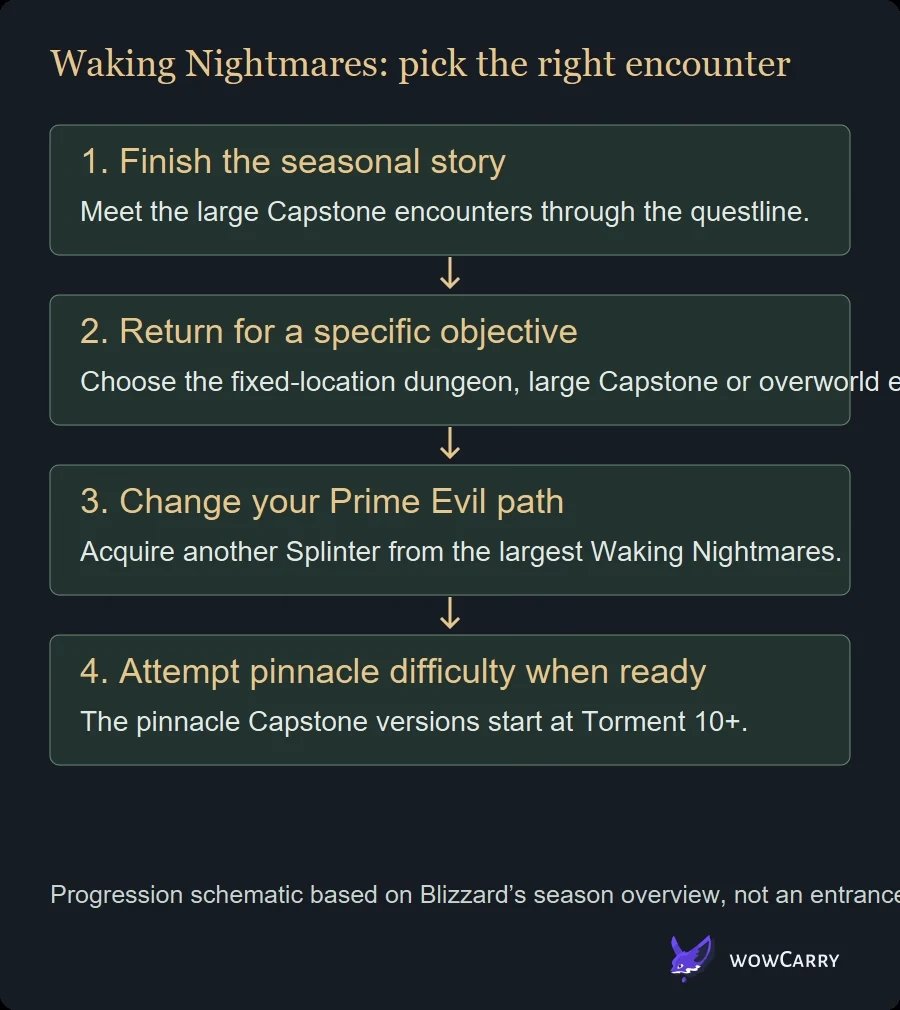
Once you have completed the story introduction, decide what the next run is supposed to accomplish. “I want to change my Prime Evil” and “I want to try a difficult Capstone” are different goals, even if both lead toward a large Waking Nightmare.
- I have completed the relevant seasonal story introduction.
- I know whether this is a large Capstone, a fixed-location dungeon or an overworld encounter.
- I have checked the activity’s displayed difficulty and my current character setup.
- I know whether I am seeking a Splinter, trying a challenge or exploring the encounter.
- I have enough inventory space and understand the cost or entry condition shown in the live interface.
Do not import a sigil tier or entrance rule from an older Nightmare Dungeon guide. The current activity panel and quest objective are the useful references for the encounter in front of you.
How Waking Nightmares Connect to Prime Evil Powers
After completing the seasonal questline, you choose a Prime Evil path. You can bear one Prime Evil Soul Splinter at a time. To change that path, acquire another Splinter from the largest Waking Nightmares.
Choose the path around activities you intend to play. Diablo’s Terror track modifies Helltide and Infernal Hordes; Baal’s Destruction track modifies the Undercity and Lair Bosses; Mephisto’s Hatred track modifies the Pit and Nightmare Dungeons. All three also modify the Tree of Whispers. Our Prime Evil Powers guide compares the unlock and activity decisions in more detail.
The seasonal jewelry gems are another system: you can equip up to three of those Soul Splinters in available jewelry slots. Their names and rarity upgrades do not turn the one-active-Prime-Evil choice into three simultaneous reputation paths.
Fixed Difficulty and Torment 10+ Pinnacle Versions
The large Waking Nightmares follow the Capstone model of a fixed difficulty. Do not assume that moving a world setting always makes a specific Capstone proportionally easier. Read the selected encounter’s description and evaluate what actually ended your previous attempt.
The pinnacle versions begin at Torment 10+. That is an availability threshold, not a guarantee that every character reaching it can clear every encounter comfortably. Before committing repeated attempts, check your survival, resource sustain, movement and ability to handle the boss’s actual mechanics.
| What went wrong? | Useful next step |
|---|---|
| A repeated boss attack kills you | Identify its tell and choose an avoidance or defensive response before retrying. |
| You survive but cannot maintain damage | Review resource sustain, uptime and whether the build fits the encounter. |
| You selected the wrong activity for a Splinter | Return to the largest Waking Nightmares rather than repeating an unrelated small encounter. |
| The pinnacle version is overwhelming | Return to achievable progression and address the specific weakness before another pinnacle attempt. |
This troubleshooting approach avoids treating every unsuccessful attempt as a request for more damage. One missed encounter response can remain lethal after several equipment upgrades.
Rewards and Repeat-Run Expectations
Blizzard describes replay rewards for the large Torment encounters and greater risks with bigger loot for pinnacle versions. It does not publish a universal drop-rate table or a guaranteed number of runs for each desired item in the season overview. Check the live reward display before spending a limited resource.
Record a few outcomes if you want to judge whether an activity suits your character: completion time, failures, entry expenses and items you actually value. Separate an exciting first drop from a repeatable expectation. A guide cannot responsibly promise an hourly result without that evidence.
FAQ
Are Waking Nightmares the same as Nightmare Dungeons?
No. Waking Nightmares are the seasonal encounters revisiting classic Diablo moments in three formats. Nightmare Dungeons remain a separately named endgame activity, including their connection to Mephisto’s reputation path.
How do I unlock the large Waking Nightmares?
You first encounter them through the Season of Hell’s Legacy questline. Complete that introduction and follow the live quest objectives; afterward the large encounters can be replayed for rewards on Torment.
Where do I get another Prime Evil Splinter?
Blizzard directs players to the largest Waking Nightmares when changing the Prime Evil path they bear. Do not assume a small one-room overworld encounter serves the same purpose.
When do pinnacle Waking Nightmares become available?
The season overview lists pinnacle Capstone versions at Torment 10 and above. Their availability does not establish that your build is ready, so check the selected encounter and your previous failure points.
Can I use an old Nightmare Dungeon route?
Use an older route only after confirming it describes the current activity. A standard-length Waking Nightmare has a fixed world location, while small encounters appear in the open world and large versions follow the seasonal Capstone introduction.
Are specific rewards guaranteed each run?
The official overview explains the reward role but does not establish every drop chance or run count. Read the current in-game reward information. This guide does not invent material costs, guaranteed item drops or hourly farming yields.
Maintained by WowCarry's editorial desk. AI-assisted source research; no first-hand gameplay testing is claimed. Last reviewed 2026-10-18. Encounter formats and progression verified against the live season overview. No unverified entry cost, drop rate or farming yield is asserted.