Make Macro Calls from the Reward, the Wave and the Available Vision
A useful objective call weighs what the team gains against the lane pressure and health it spends. One Voidgrub can be worth taking without committing to the whole camp; Baron's global reward does not make a dangerous pit attempt safe.
This guide covers standard Summoner's Rift rules checked against Riot's published notes through patch 26.21, October 2026. League Classic, Swiftplay and ARAM have separate rules. It focuses on documented objective, wave and vision mechanics and the decisions they support.
Voidgrubs: Three Once, with a Real Choice to Leave After One
The 25.09 camp change moved Voidgrubs to 8:00, removed their respawn and set the summoned-mite reward threshold at three Grubs. A six-Grub clear in one visit is not an available route.
In the 2026 rules, Grub gold goes to the killer and experience is local. Riot explicitly describes taking one Grub and returning to lane as an intended option.
The practical call: consider lane control, the incoming wave, available health and enemy positions before continuing. An AoE ability may hit several monsters, but it does not guarantee a full clear before a contest. If finishing the camp would cost an important wave or expose a weak group, partial progress is an option rather than automatic failure.
The 26.11 update strengthened Grub turret-damage rewards and increased summoned Voidmite durability. Those buffs make the reward relevant; they do not turn every camp into a mandatory all-team commitment.
Baron: Global Experience Does Not Remove the Risk in the Pit
The first Baron spawn is 20:00. Its base reward is 650 global experience per teammate, or 3,250 across five players. Eligible players on the losing team gain 25% extra experience per level behind, capped at twice the base. The base reward is therefore not 650 total split among five, nor must every player's final reward be identical.
Baron also shreds 0.5 armor and magic resistance per second from nearby enemies of Baron, including the team already attacking it. A prolonged attempt can leave that team vulnerable when opponents arrive.
The practical call: use the global reward to understand the gain, then separately assess whether the pit can be secured. Watch your team's health, remaining damage, enemy approach routes and ability to stop or retreat. Having five players in the pit is not an experience requirement, and keeping everyone inside the danger zone is not automatically the best setup.
The 26.18 bugfix notes address excessive Void Corruption stacks without publishing a numeric intended cap. An old bugged maximum is not a reliable planning value.
Baron's spawn also no longer corrupts Red and Blue buff camps or makes their buffs global under the 2026 rules. Keep those camp rewards separate from Baron rather than treating every nearby jungle reward as a team-wide follow-up.
Faelight Wards: Cover the Missing Entrance Separately
A ward placed on a Faelight grants temporary nearby bonus vision. Coverage depends on the particular location. The 26.3 vision changes shortened the river pixel-brush reveal region so it stops before the scuttle pad and epic-monster-pit entrance.
The practical call: place vision for the route you need to see. A useful river Faelight ward does not by itself prove the pit entrance is covered. Add vision for that gap before committing to an objective or moving into an unseen approach.
The bonus reveal is temporary, so a successful setup can expire before the intended play. Check the actual visible area and remaining ward state; do not assume all Faelights reveal the same shape or that a January coverage diagram still shows the later river boundary.
Faster Waves Change the Cost of a Roam
Wave spawn cadence changes with game time. It is different from the time a wave takes to travel, meet opponents or be cleared.
| Match time | Documented wave rule |
|---|---|
| From 14:00 | Waves spawn every 25 seconds. Cannon waves have one fewer melee minion. |
| From 30:00 | Waves spawn every 20 seconds, with one fewer caster minion. |
The practical call: inspect the next wave before leaving a side lane. More frequent spawns mean the cost of a long rotation can accumulate faster, but the correct response still depends on the wave's position and what the team can gain elsewhere.
The 26.9 minion changes altered durability rather than this cadence. An unchanged spawn interval does not establish an identical clear time for every champion or patch.
Before making the call, identify the actual reward, the next lane obligation, the vision gap and an exit plan. These checks turn the documented mechanics into decisions without promising a universal best play.
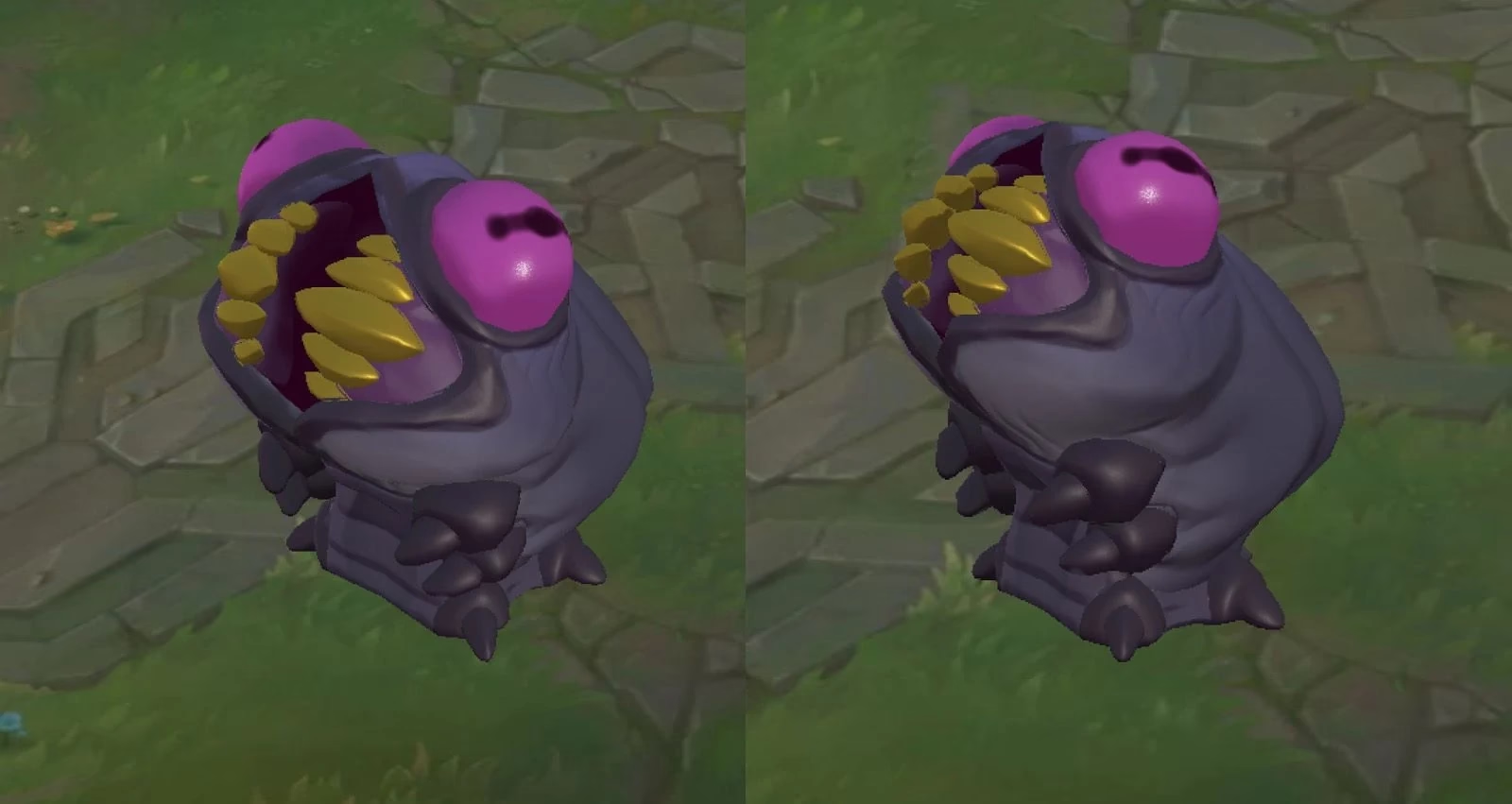
Cover: Voidgrub creature views from League of Legends.