Toughest Bosses in Diablo 4: Ranking the Top 10
Ranking the ten hardest boss encounters in Diablo 4, from campaign bosses through original Uber pinnacle fights, with tactics and difficulty breakdown.
By:
John Langan
The rankings below cover bosses from Diablo 4's base game through its first two seasons, a period before the Season 3-onward content overhauls expanded both the boss roster and the endgame systems significantly. Boss mechanic data sourced from Wowhead's Diablo 4 season overview and Blizzard's official patch notes.
The list opens with a recognisable face — Andariel, the Maiden of Anguish. Her campaign encounter was the more forgiving of the two Andariel fights in early Diablo 4. Mechanics were clearly telegraphed and the arena gave players enough room to work with. The fight showcased her transitions and artistry without ever reaching a genuine skill wall. Her endgame counterpart is a different proposition, but at this tier, Campaign Andariel sat comfortably at the bottom of the difficulty ladder.
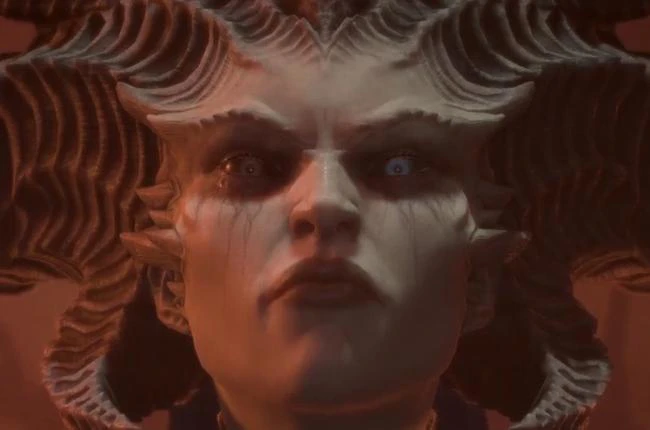
The final boss of the Diablo 4 campaign struck a reasonable balance between challenge and accessibility. Lilith's mechanics previewed the harder endgame versions without the same damage ceiling or unforgiving timings. Players encountering the campaign for the first time could progress without memorising the fight in detail. A well-paced capstone encounter rather than a genuine roadblock.
Campaign Duriel ranked above the campaign's actual final boss — and the reason was architectural, not mechanical. The encounter took place in a cramped Caldeum corridor where arena walls regularly obscured Duriel's body during attack animations. Hits arrived from off-screen, reactions became guesswork, and positioning was constrained by the environment rather than by intentional design. A difficulty spike tied to camera problems, not to the boss itself.
Echo of Varshan served as Season 1's (Season of Blight) gateway into endgame boss encounters. His attacks were clearly telegraphed, and the fastest path through the fight was eliminating the Elites who granted him Malignant Powers before they could activate. Strip those debuffs away and Varshan lost much of his threat. A well-designed introduction to the endgame boss format — educational rather than punishing for prepared players.
Season 2's (Season of Blood) main villain punished greed and aggression heavily but rewarded patience. Lord Zir's attacks drained health rapidly with long-enough tell windows that careful players could dodge consistently. Getting hit was expensive; staying mobile made the fight manageable. His mid-list placement reflects a design that felt threatening on first contact and predictable once patterns clicked — a fair difficulty step for the seasonal content climax.
The Beast in Ice required specific Nightmare Dungeon crafting materials before the encounter even started, raising the effective difficulty bar before the first hit landed. The fight combined freezing attacks, massive frontal cleaves, and icy ground denial in a configuration that demanded Cold Resistance and positional awareness throughout. No single mechanic was unfair in isolation; the layering of freeze pressure and area denial is what separated prepared players from underprepared ones.
Grigoire brought deceptive hitboxes to an attack pattern that appeared narrower than it was. The Galvanic Saint's knockbacks regularly launched players into electric spires positioned around the arena, and his area denial rotated through multiple electric pylon configurations during the fight. Memorising the first phase gave no guaranteed safety in the second. Consistent clears required internalising the pylon rotation, not just the initial attack tells.
The Butcher earned its position not through telegraphed mechanics but through ambush design. It was the only entry on this list that spawned without warning — a single dungeon entrance, a distinctive audio cue, and then lightning-fast strikes, frequent shield generation, and health recuperation. Players got one attempt per spawn. The Butcher also occasionally appeared alongside Dungeon Bosses, stacking two simultaneous threats in a single room.
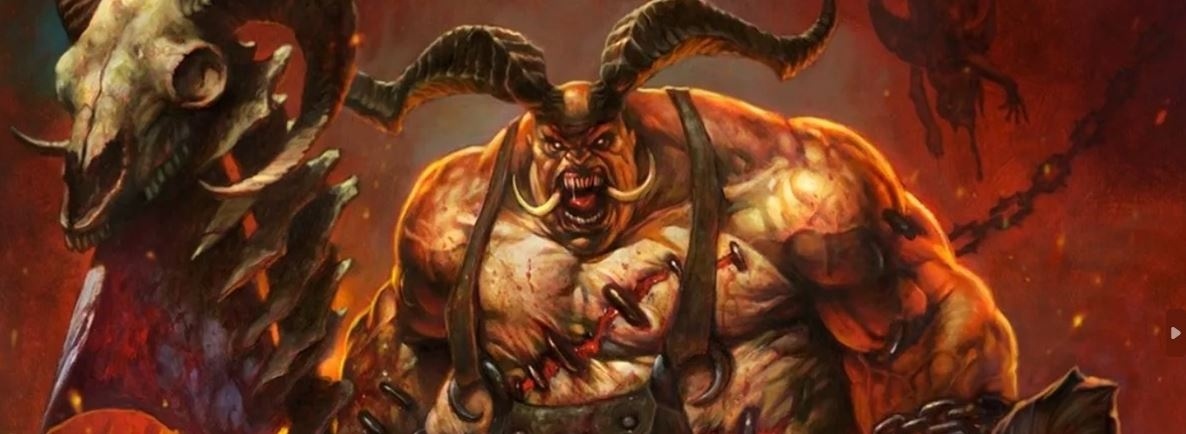
For high-tier characters the Butcher became a confidence check — a test of whether a build held up under uncontrolled conditions with no preparation window.
Uber Duriel was the original Uber endgame encounter, accessible via summoning materials that required clearing earlier endgame content to accumulate. The expanded arena removed the camera problems from his campaign version, and his attacks carried significantly higher damage at endgame item levels. Well-telegraphed individually, brutally punishing in execution at appropriate gear thresholds. In early Diablo 4, clearing Uber Duriel marked the outer edge of accessible endgame progression.
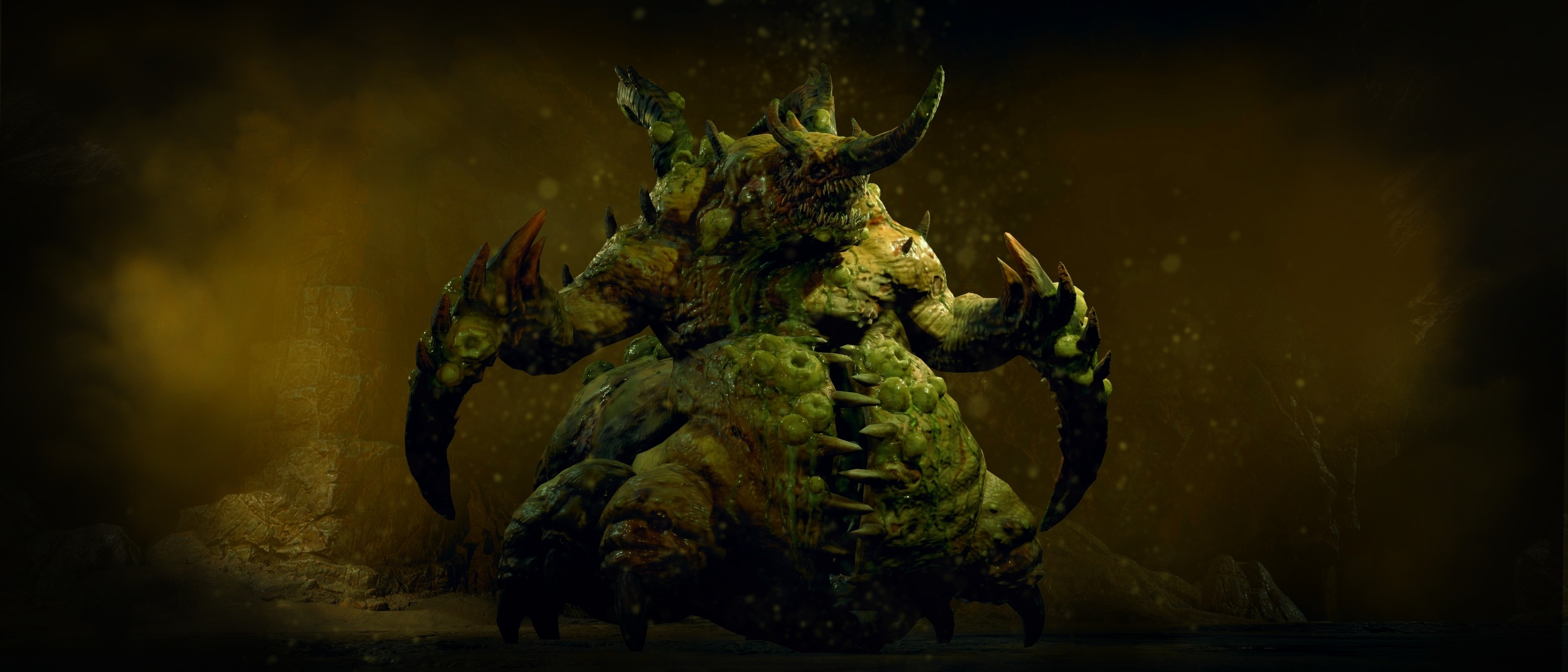
Players who wanted to progress to Uber Duriel without farming every prerequisite used boss carries to reach and practice the encounter efficiently. Browse Diablo 4 boss carry options to see what's currently available for Season 13 encounters.
Uber Lilith was the defining hard encounter of Diablo 4's first year. The fight layered fiery soul projectiles, platforms that progressively destroyed and shrank the available arena, and an encircling attack that tightened the safe zone over multiple phases. The Demonic Waves mechanic became notorious for one-shot potential — players reported deaths from waves that appeared to miss based on hitbox position. Mechanical precision and a build capable of sustaining extended multi-phase pressure were both non-negotiable.
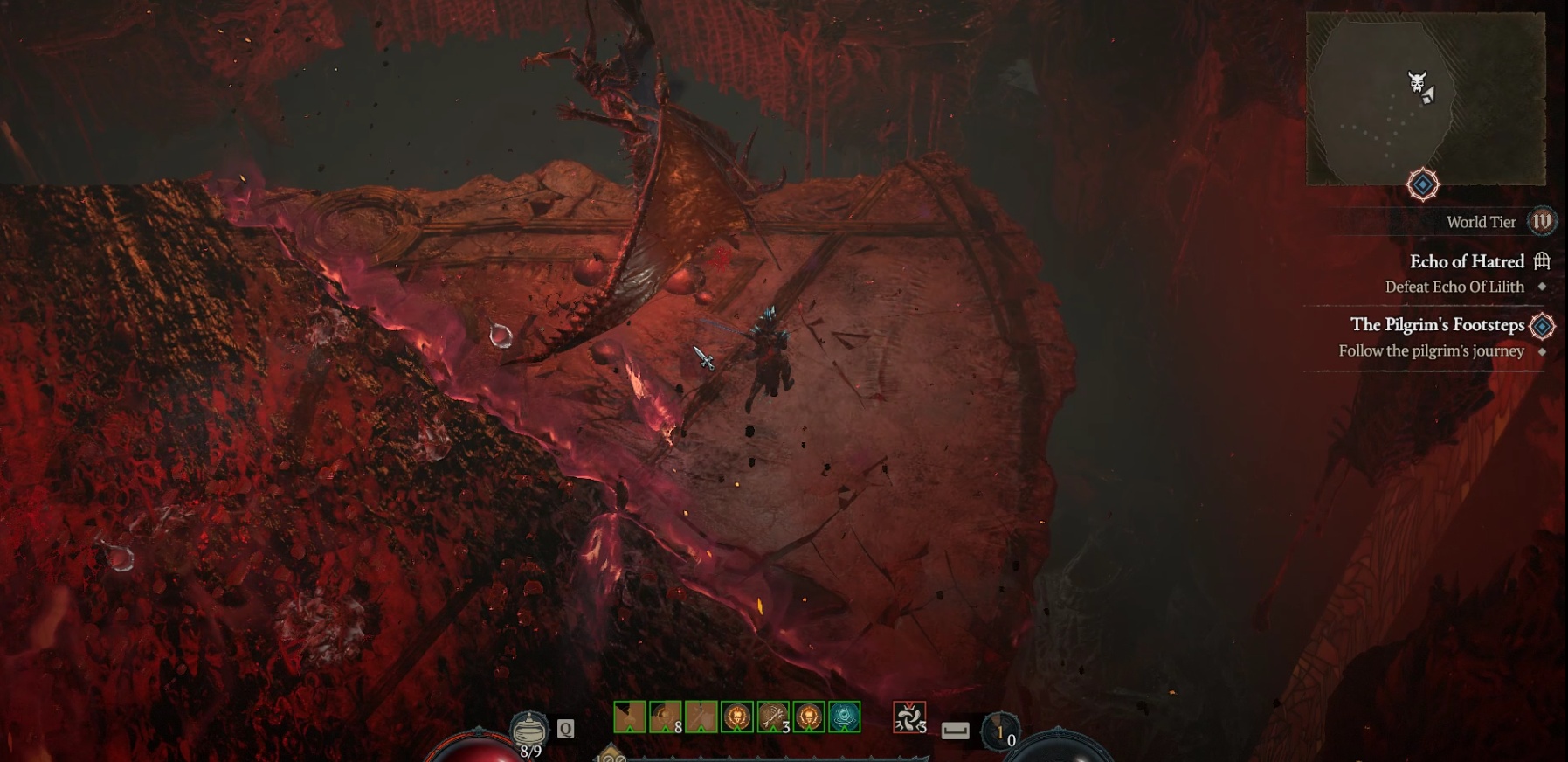
Defeating Uber Lilith stood as the premier player achievement in early Diablo 4. The combination of destructible platforms, one-shot wave mechanics, and arena compression made the fight unforgiving at any item level below the recommended threshold.
Uber Lilith held the hardest boss title through Diablo 4's first two seasons. The endgame boss pool expanded significantly with Season 3 onwards, and the Lord of Hatred expansion (April 2026, Season 13) added Tormented boss variants and expansion-tier content beyond what Uber Lilith represented at launch. Uber Lilith remains mechanically demanding, but the roster of harder encounters has grown considerably since this ranking was compiled.
The Butcher spawned randomly inside dungeons without warning. Players received one audio cue — then immediately faced lightning-fast attack speed, a shield regeneration mechanic, and health recuperation under pressure. No summoning sequence, no preparation window, one attempt per spawn. The Butcher also occasionally appeared alongside a Dungeon Boss, creating simultaneous threats. For hardcore (permadeath) players, an unexpected Butcher encounter was among the most common character deaths in early Diablo 4.
Campaign Duriel's difficulty came primarily from the Caldeum corridor arena, where walls obscured his position and attacks arrived off-screen. Uber Duriel fought in a properly designed endgame arena and required summoning materials gated behind earlier endgame content — Mucus-Slick Eggs and Shards of Agony from other endgame bosses. The Uber version's difficulty was about raw damage and dodging precision at endgame item levels, not camera geometry.
Echo of Varshan was the seasonal climax boss of Season 1, the Season of Blight. He was the Blighted Boss at the top of the Season 1 content chain, designed as an introductory endgame encounter for players working through Malignant Tunnel content. Defeating the Elites who granted him Malignant Powers simplified the fight significantly — a mechanic designed to teach players that boss encounters in Diablo 4 had interrupt-able buffs.
Lord Zir was the primary antagonist of Season 2, the Season of Blood. He commanded a vampiric faction that appeared in Blood Harvest zone events across Sanctuary. As the seasonal climax boss, he was accessible after completing the Season 2 questline. His attacks drained health rapidly but were paired with long telegraph windows, making patience the primary skill requirement against him.
Uber Duriel required two materials: Mucus-Slick Eggs (dropped by Echo of Andariel) and Shards of Agony (dropped by Grigoire, The Galvanic Saint, Beast in Ice, Echo of Varshan, and Lord Zir). Both materials were needed in quantity, so players cleared multiple endgame bosses before reaching Uber Duriel. This material gate ensured the Uber tier was only accessible to players who had progressed through earlier endgame content. The Boss Lair Keys system introduced in later seasons revised how summoning worked.
Grigoire, The Galvanic Saint was a summoned endgame boss accessible via Living Steel, which dropped from Helltide events. His attacks hit a wider area than their visual indicators suggested, and knockbacks from his strikes regularly launched players into electric pylon formations placed around the arena. Multiple pylon configuration changes during the fight meant each phase required separate spatial awareness, making Grigoire one of the more positionally demanding mid-tier endgame bosses.
Last reviewed 2026-06-18 against Diablo 4 Season 13 (Lord of Hatred, April 2026) — Maintained by WowCarry's Diablo 4 team.