Key Takeaways
- The file was not malware — it was a deliberate security demonstration that triggered false antivirus alerts but posed no real threat to player data.
- Penumbra's architecture prevented any harmful code execution, even when the test file was distributed through its sync plugins.
- Poor communication was the core problem: other plugin developers were not contacted before the file was released, causing widespread confusion.
- The individual involved lost their moderator status and was banned following community backlash.
- Key lesson: security proof-of-concept demonstrations should be coordinated privately between developers, never pushed to public plugin feeds.
Here is the full breakdown of the incident and its aftermath.
FFXIV Mod Incident and Community Response
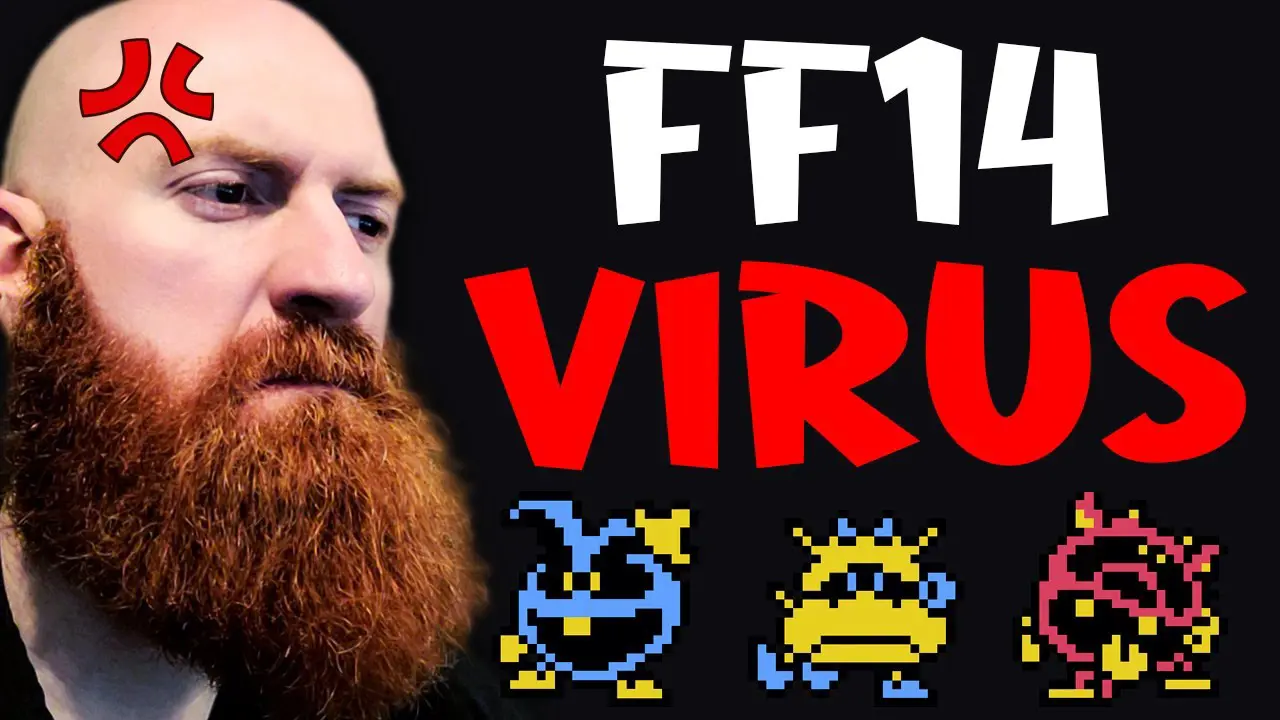
The FFXIV community was embroiled in a controversy over a file shared through multiple syncing plugins, erroneously labeled as malware. This file was intentionally crafted to demonstrate potential risks associated with removing specific checks from the code of a popular FFXIV tool. Although it raised alarms due to false antivirus warnings or potential game crashes, it was not harmful, nor did it contain executable code. Penumbra, the mod manager, inherently prevents files from executing malicious code. However, the approach taken in this test has sparked debate within the community.
Key Points of the Controversy
- Purpose of the File: The file was intended as a harmless test to prove a point about code security, not as a malicious attack.
- Antivirus and Game Crashes: It might trigger antivirus alerts or cause temporary game crashes, akin to animation mods, but posed no actual threat.
- Misunderstandings and Regrets: The developer acknowledges mishandling the situation and recognizes more constructive ways could have been employed to demonstrate the risks.
That combination of false alarms and unclear developer communication set the stage for wider community fallout.
Community Communications and Reactions
The situation was further complicated by a lack of early communication. Developers of other plugin forks were not contacted initially, leading to misunderstandings about the file’s intent and safety. This lack of communication created confusion and a feeling of mistrust among users:
- Multiple conversations occurred between developers, clarifying that the file could not execute actual harm.
- Permissions to release conversations for transparency have not been obtained at the time of the incident report.
The incident highlighted a few important considerations for mod developers and users, including:
- Ensuring transparency and clear communication in development processes.
- Understanding the impact of modifications on software security and user trust.
- Recognizing the inherent dangers of public syncing practices.
Those questions about responsible disclosure remained central to how the story unfolded publicly.
Summary Table of File Impact
| Aspect | Potential Outcome | Actual Impact |
|---|---|---|
| Antivirus Alerts | Triggered false alerts | No actual malware presence |
| Game Stability | Possible crash | Similar to common mod behavior |
| Security Risk | Perceived as high | No executable code risk |
The broader consensus is that while the file was not dangerous, the incident serves as a reminder of the importance of transparency and responsible coding practices. This situation sheds light on the need for clear communication between developers and users in the gaming community, to prevent unnecessary panic and maintain trust.
Misunderstanding and Consequences
Despite initial panic about possible malware, it turns out that the concerns were largely unfounded. The embedded shell code required significant manual effort to execute, and even if it had run, it wouldn't have caused any harm. The code attempted to connect to a non-existent local server, effectively rendering it harmless.
Interestingly, the accused individual was not the creator of the controversial file, nor did they have any malicious intent. It appears that this was more a case of poor judgment or an unfortunate mistake rather than intentional wrongdoing. A further layer of confusion was added when it was discovered that this person had created an alternate Discord account for the file's distribution, which fueled suspicions about their motives.
- Key Takeaways from the Incident
- The shell code posed no real threat.
- Misjudgments can rapidly spiral into larger issues.
- Communication and clarity are vital in mod distribution.
With that context in place, the community response unfolded in two distinct phases.
Community Response
The community was understandably skeptical and vocal in its response. Initially, there was a defense of the individual, but as more information surfaced, those defending found it increasingly challenging to continue their support. Eventually, the individual was stripped of their moderator status and ultimately banned following community backlash.
- Moderator Status Removed: The individual lost their status as a result of the incident.
- Community Trust Impacted: Trust issues arose due to the alternative distribution method.
- Need for Transparency: This incident highlighted the importance of transparent communication.
These events underscore the critical need for communication and diligence within the community. When dealing with mods and community-driven content, maintaining clear and trustworthy practices is essential to prevent misunderstandings and maintain a healthy environment for collaboration.
The community discussion that followed underscored how rapidly trust erodes in open-source modding spaces when communication breaks down.
Last reviewed 2026-06-15 against Patch 7.5 Trail to the Heavens — Maintained by WowCarry's FFXIV team.
Frequently Asked Questions
Was the file shared through FFXIV mods actually malware?
No. The file was deliberately crafted to trigger false antivirus warnings as a security demonstration. It contained no executable malicious code and posed no genuine threat to players' computers or game accounts.
Why did the file trigger antivirus alerts?
The file was intentionally designed to trip antivirus heuristics in order to prove a point about code security risks in FFXIV modding plugins. Similar to some animation mods, it could also cause temporary game crashes, but it was not a real security threat.
What is Penumbra?
Penumbra is a widely used Final Fantasy XIV mod manager. Its architecture prevents loaded files from executing arbitrary code, which is why even a file crafted to look dangerous posed no actual harm when distributed through Penumbra-based sync plugins.
What happened to the person involved in the FFXIV mod incident?
The individual had their moderator status removed and was ultimately banned from the relevant community spaces after the incident became public and community backlash intensified.
What lessons came out of the FFXIV modding incident?
The incident highlighted the need for transparent communication between mod developers before releasing test files, and reinforced that proof-of-concept security demonstrations should be coordinated privately rather than pushed to public plugin feeds.
Are FFXIV mods safe to use?
Using third-party mods in FFXIV carries inherent risk since they are not supported by Square Enix. Players who choose to mod should stick to reputable tools like Penumbra, download content only from trusted community sources, and remain informed about reported incidents within the modding scene. For players looking for legitimate in-game content upgrades, explore our FFXIV service catalog offer a safe alternative.