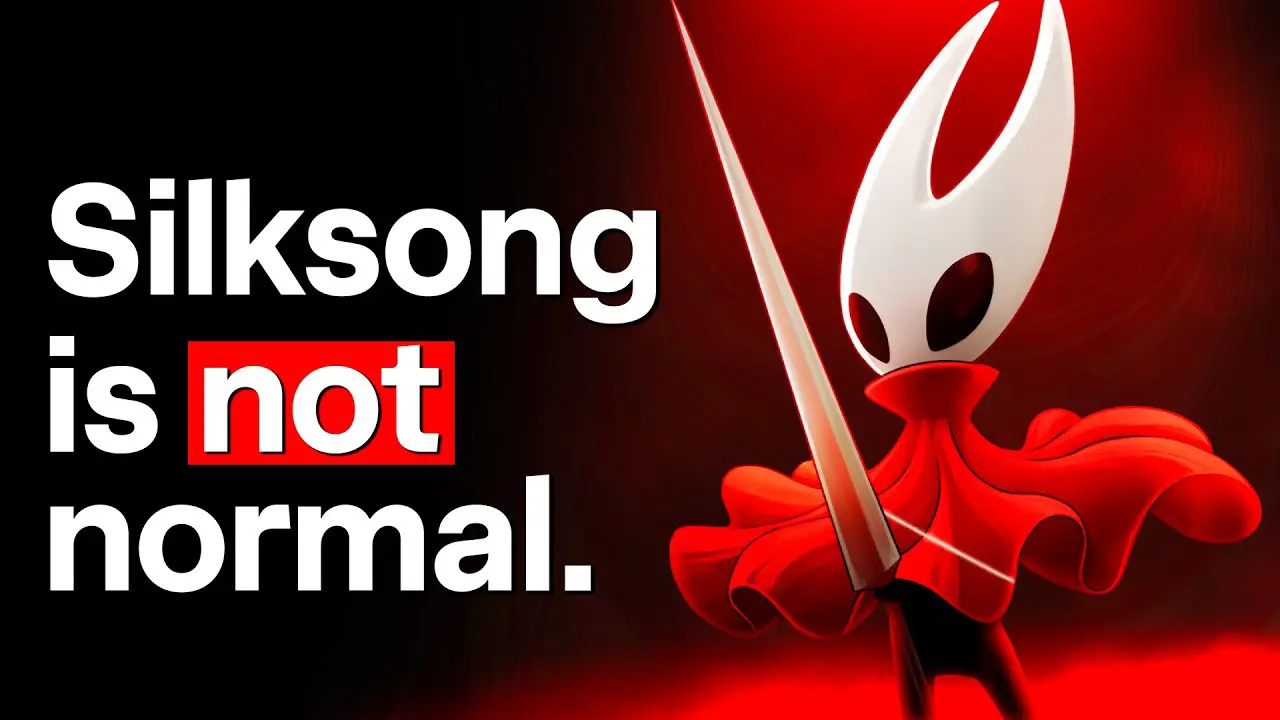
The Unexpected Success of Silksong
Silksong has achieved remarkable success with an estimated 5 million sales within just the first weekend, including 3 million on Steam. This achievement is particularly astounding when compared to the performance of its predecessor, Hollow Knight, which took 8 months to sell 1 million copies. Silksong's rapid success demonstrates the incredible potential for indie games to succeed in a competitive market. The game, developed over seven years, is not only receiving high sales but also trending among the highest review scores of the year.
Key Takeaways
- Silksong sold an estimated 5 million copies in its opening weekend, including 3 million on Steam — a staggering pace for an indie title.
- Team Cherry's three-person core team worked for seven years without publisher pressure, retaining full creative control throughout.
- The studio's lean, publisher-free model stands as a blueprint for sustainable indie development in an industry increasingly driven by short-term financial goals.
- Team Cherry's history traces back to "Hungry Knight," a 2013 Ludum Dare jam entry that eventually evolved into Hollow Knight.
- Silksong's launch is a rare case where a sequel outpaced its predecessor's lifetime sales in a single weekend, vindicating the long development cycle.
- The broader industry's rushed-release culture — driven by publisher timelines and financial pressure — is directly contrasted by Team Cherry's deliberate approach.
With those outcomes in mind, the story of how Team Cherry pulled it off is worth understanding in full.
The Secret to Team Cherry's Success
The success of Silksong can be attributed to several unique characteristics of its developer, Team Cherry. As revealed in an interview with Jason Schreier from Bloomberg, Team Cherry's approach was refreshingly simple yet effective. Co-founder Ari Gibson explained that the team had fun throughout the development process, with no major controversies or dramatic issues. The steady and drama-free development environment is rare in the gaming industry and has contributed significantly to the game's success.
Unique Development Environment
Several factors set Team Cherry apart:
- Small Team Size: The core software team consisted of just three developers, providing an efficient and focused development process.
- Sequel Advantage: Building on the foundation of Hollow Knight meant that they didn't need to reinvent the wheel, allowing for quick iteration.
- No Publisher Influence: Without a publisher, Team Cherry had no external deadlines or stakeholders to manage, enabling them to adhere to their development timeline without compromises.
Those three factors — team size, inherited foundations, and publisher-free independence — combined to produce one of the most distinctive development stories in recent memory.
| Team Cherry's Unique Elements | Impact on Development |
|---|---|
| Small core team | Cost-effective and efficient development |
| Sequel building | Faster iteration and development |
| No external publisher | Freedom from imposed deadlines |
That combination of lean structure and creative autonomy proved more powerful than any publisher-backed marketing budget.
From Humble Beginnings to Phenomenal Success
Team Cherry's journey didn't start with instant success. Their history dates back to the creation of "Hungry Knight," a Ludum Dare game jam entry in 2013. Though not an immediate hit, they believed in their vision and worked towards developing Hollow Knight. They faced challenges such as hitting Kickstarter goals just days before the campaign ended and making decisive cuts and adjustments to release the game within constraints. Their approach paid off, eventually leading to over a million sales, even before the release of the Nintendo Switch version.
Staying True to Indie Roots
Silksong's success also stems from Team Cherry's ability to remain grounded in their indie roots. Despite achieving substantial success with Hollow Knight, they continued their lean development approach. This is exemplified by anecdotes of the developers living off leftover sandwiches and parental support during tough times. Such resilience and focus enabled them to maintain creative control and focus solely on their vision, resulting in a game that met the high expectations set by Hollow Knight's success.
Silksong's story emphasizes the importance of creative freedom, simplicity, and maintaining control over one's work. Team Cherry's journey from a scrappy indie team to creators of one of the year's biggest indie successes is both inspiring and instructive, offering valuable lessons for developers navigating the worlds of indie and AAA gaming.
Lessons from Team Cherry's Approach
Team Cherry's success with Silksong can be attributed to their financial independence and creative freedom, which are often luxuries in the gaming industry. By avoiding the common pitfalls of financial pressures, they could focus on producing a game that truly reflects their vision, without compromises typically imposed by external stakeholders. This financial security allowed them to:
- Focus on quality over rapid release.
- Maintain creative control and stay true to their vision.
- Avoid rushing the game to market to satisfy immediate financial needs.
The significance of these freedoms is underscored when considering the industry's systemic challenges, particularly those affecting game releases.
Pressures in Game Publishing
The industry frequently forces developers to release games prematurely to meet short-term financial goals. This often results in:
- Games released with significant bugs or underdeveloped features.
- Products that fail to achieve their full potential, impacting ratings and sales.
- Developers struggling to juggle current projects with securing future opportunities.
Many times, games could elevate from an average rating to a polished, complete experience with just a few additional months of development. The constraints don't only impact the game's quality but also affect the well-being of developers, caught in a relentless cycle of deadlines and financial stress.
Broader Industry Issues
Layoffs, early game releases, and harsh financial structures are prevalent issues. Even successful studios experience:
- Frequent layoffs or restructurings.
- Project cancellations despite financial success.
- Constant pressures to find funding for future projects while completing current ones.
These problems often stem from a complex matrix of publisher pressures and financial incentives that prioritize short-term gains over long-term quality and sustainability.
A Path Forward
For the industry to produce better games and retain talented developers, a re-evaluation of these structures is necessary. Prioritizing the well-being of developers and giving them the necessary time and resources could lead to:
- Healthier development environments.
- Higher quality games hitting the market.
- A more stable and sustainable industry for developers at all levels.
The example set by Team Cherry, though unique to their circumstance, serves as a blueprint for what can happen when developers are allowed to work without the usual constraints. By fostering environments similar to theirs, the broader industry might avoid the pitfalls of rushed releases and depleted creative talent.
Last reviewed 2026-06-14 — Maintained by WowCarry's gaming team.
Frequently Asked Questions
How many copies did Silksong sell in its first weekend?
Silksong sold an estimated 5 million copies in its opening weekend, with approximately 3 million of those coming from Steam alone.
Who developed Silksong?
Silksong was developed by Team Cherry, the same small Australian studio behind Hollow Knight. The core team consisted of just three developers.
How long was Silksong in development?
Silksong was in development for approximately seven years before its release.
Did Silksong have a publisher?
No. Team Cherry developed Silksong independently, without a publisher, which gave them full control over the development timeline and creative direction.
How does Silksong compare to Hollow Knight in sales speed?
Hollow Knight took 8 months to sell 1 million copies, while Silksong surpassed 5 million in its opening weekend — a remarkable acceleration driven by years of built-up anticipation.
What was Team Cherry's first project?
"Hungry Knight" was Team Cherry's first project, submitted to the Ludum Dare game jam in 2013. It served as the early foundation that eventually evolved into Hollow Knight.
Why did Silksong take so long to release?
Team Cherry's small team size and commitment to quality over speed meant they refused to rush the game. Their philosophy prioritized a complete, polished experience over hitting an arbitrary release window.