How Camping Works in WoW Forever
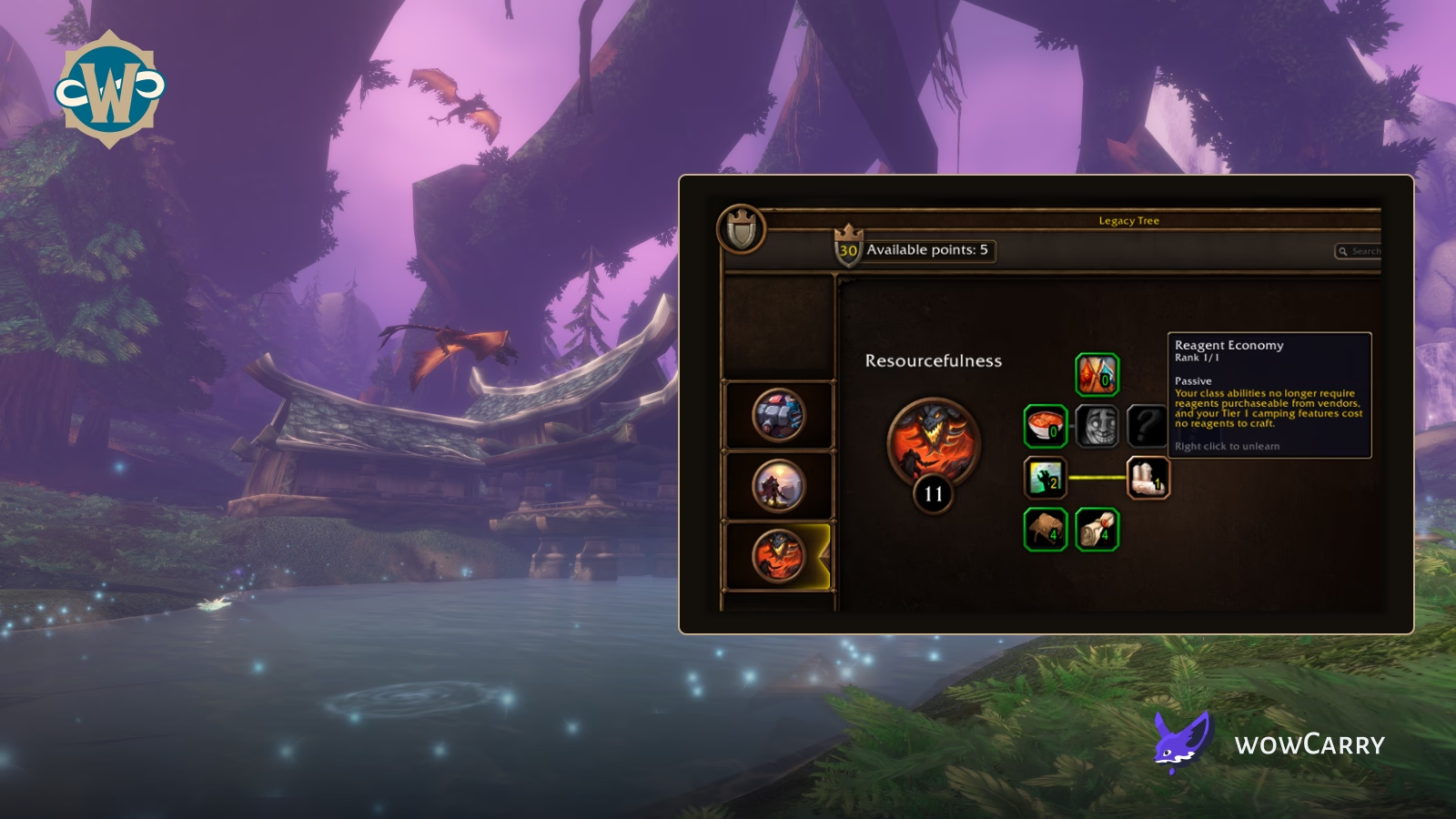
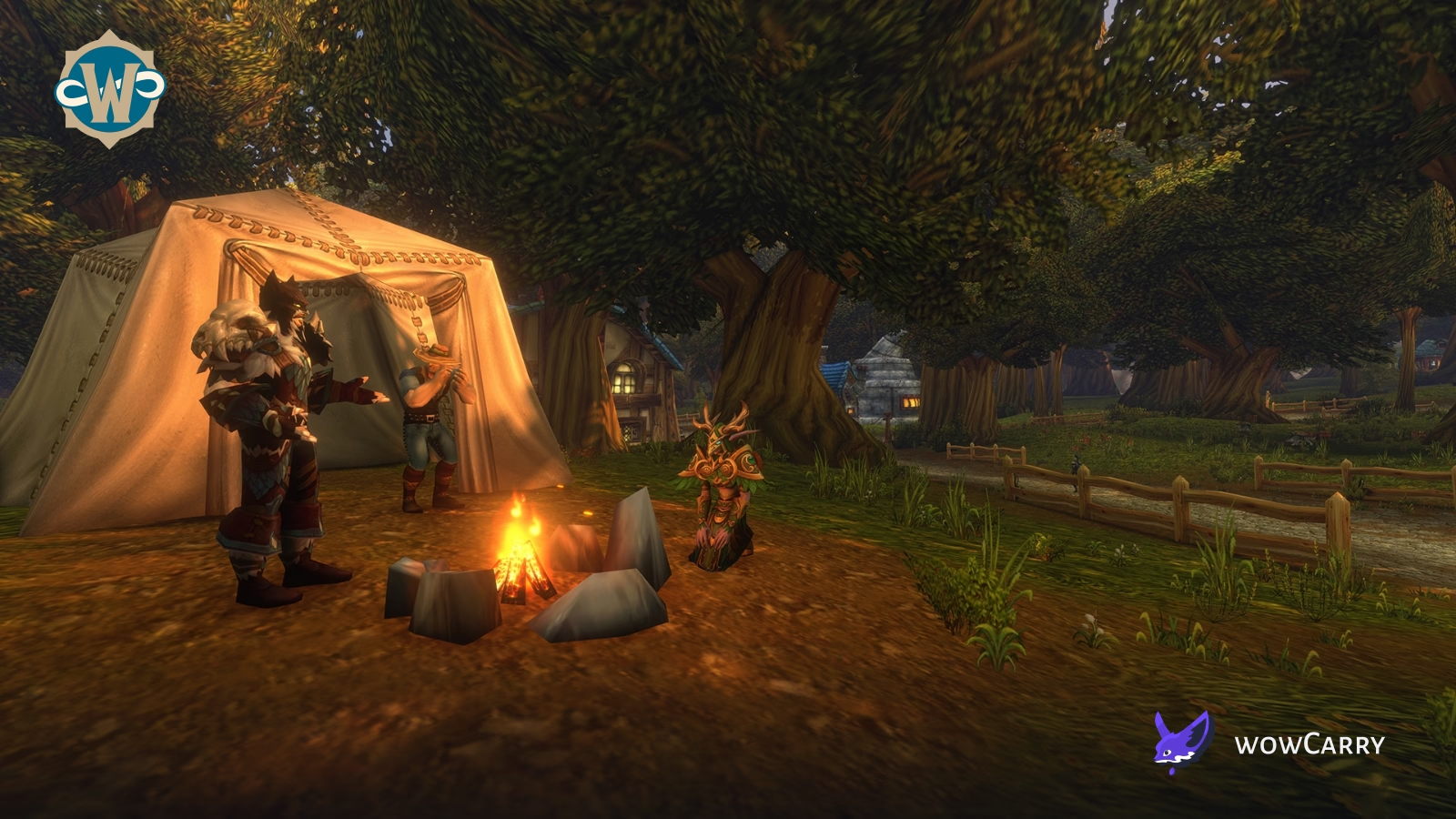
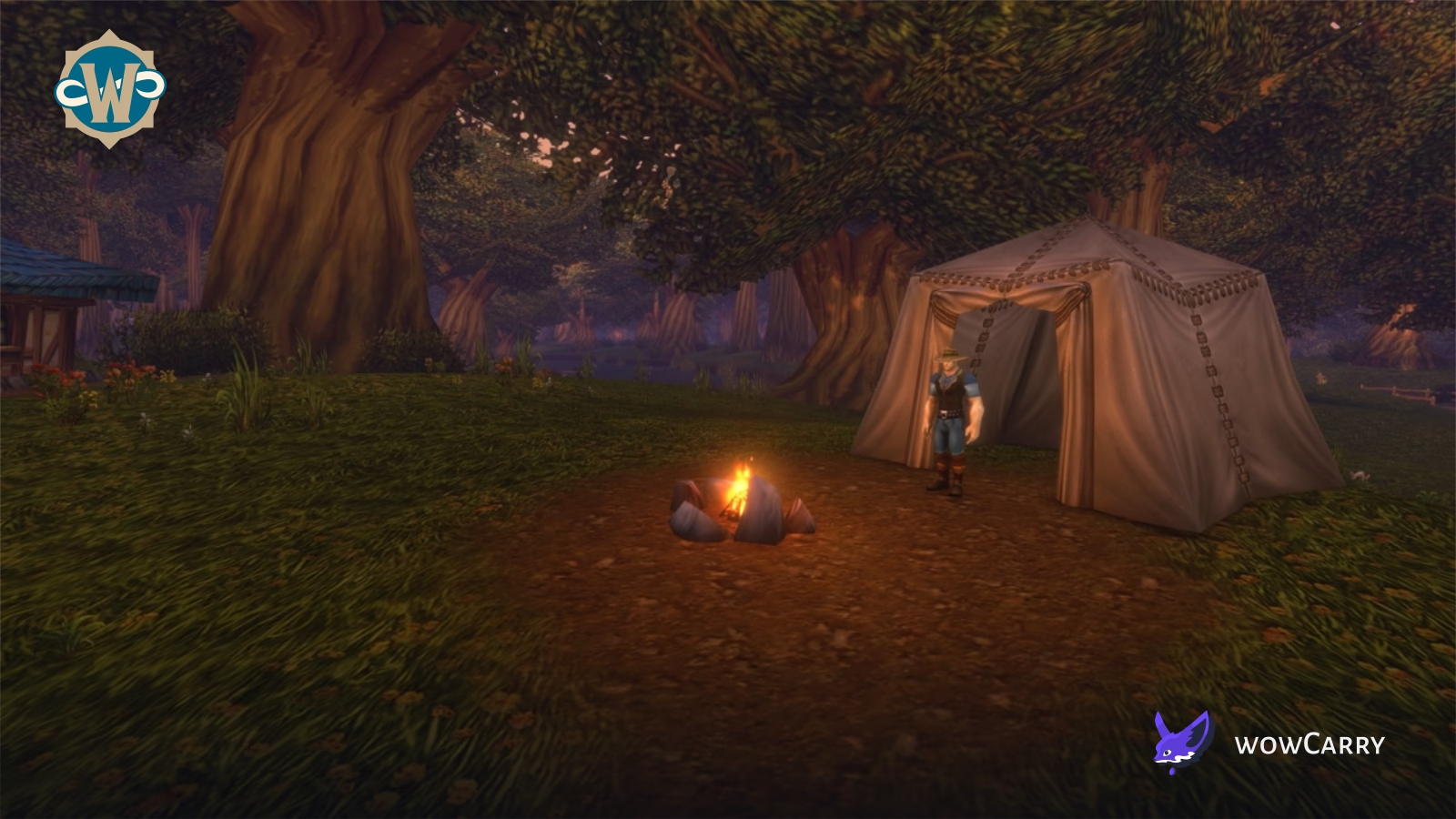
Camping turns a Cooking campfire into a shared stop for rest, profession utility, and buffs. A Basic Campfire can accept three special crafted objects from nearby players. Each player contributes one object, so filling those slots is a group activity rather than one character placing an entire camp.
The useful habit is to plan a camp around the next part of your journey. Check what the party already has, choose contributions that solve an actual need, then sit and rest long enough to receive the intended benefits before moving on.
Key Takeaways
- Cooking provides the Basic Campfire foundation.
- A Basic Campfire supports three special objects; upgraded fires can support five or ten.
- Each player can contribute one object, and the crafted objects share a one-hour cooldown.
- The first profession objects are learned at skill 20 through trainers or introductory NPCs.
- Campsite buffs require stopping to sit and rest; running through the campsite is not the described method.
- Some benefits overlap with class buffs, so duplicate coverage is not an extra stacking bonus.
These are the announced rules in Blizzard’s Camping and professions deep dive. This guide explains how to organize around them; exact recipe costs, placement controls, and buff acquisition timing have not been gameplay-tested here.
A First-Camp Setup Sequence
- Check your Cooking and profession trainer for the campfire and object recipes available to your character.
- Inspect the current recipe requirements and bring the materials for the objects your party plans to use.
- Choose a quiet outdoor stopping point away from likely enemy pulls.
- Place the campfire, then let each planned contributor place one useful object.
- Sit and rest by the camp, checking your character’s buff list before departure.
- Use the stop to organize supplies and the next route, rather than scattering immediately.
Learn the distinction between the fire and its contributions. Having the basic fire does not prove you know every profession object, and learning an advanced recipe does not mean you meet all its crafting requirements. Check the actual recipe before promising it to the group.
Objects, Benefits, and the Job They Solve
| Profession | Published example | Main purpose to discuss |
|---|---|---|
| Blacksmithing | Sharpening Wheel | Attack Power coverage for players who benefit from it |
| Tailoring | Faction Banner | Spirit coverage |
| Herbalism | Incense Candle | Intellect coverage |
| Alchemy | Alchemy Lab | A profession workspace contribution |
| Leatherworking | Tanning Rack | Workspace required for more advanced Leatherworking recipes |
| Cooking | Upgraded Campfires | More object capacity: five or ten instead of three |
Blizzard describes each profession as having three objects learned at different skill levels, with the profession’s benefit remaining consistent across its objects. Do not read that as three separate stat buffs from the same profession. Advanced Blueprint recipes are another source of objects and can come from specific dungeon bosses.
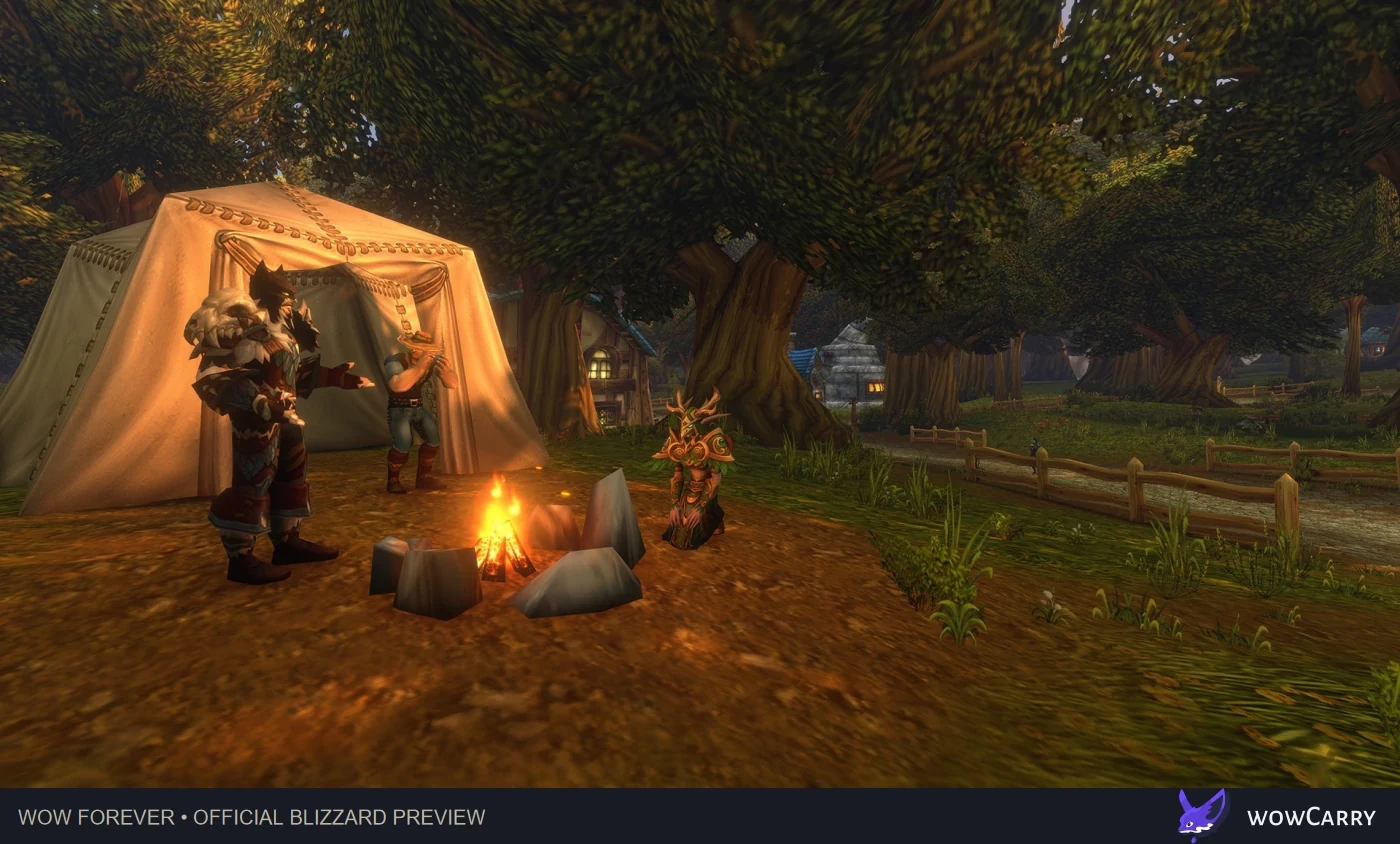
Cooking’s larger campfire capacity is especially relevant to a group with many different contributions. More slots are only useful when players can fill them. One player still cannot replace several independent contributors simply because the fire has ten slots.
A Three-Slot Camp Planning Card
Before anyone places an object, make a quick assignment. This avoids spending a shared cooldown on a contribution whose benefit is already covered.
| Slot | Ask the group | Assign only after checking |
|---|---|---|
| First | Which useful stat benefit is missing? | A player whose profession covers that need |
| Second | Does anyone need a workspace for an actual craft? | The matching profession contribution |
| Third | What remaining utility helps the next activity? | A different player with a useful available object |
For example, if your party already has the relevant Intellect buff from a class, an Incense Candle is not automatically an additional Intellect increase. Check whether another object gives the group more value. The same principle applies to the announced Attack Power and Spirit examples.
This is a planning aid, not a complete buff-stacking calculator. The official overview establishes non-stacking with the corresponding class effects, but does not provide a complete interaction matrix for every consumable and ability. Inspect the current tooltip and active buffs rather than guessing a multiplicative bonus.
When to Stop Without Losing the Session
A useful camp can combine recovery, crafting, and a route discussion in one stop. Choose a moment before a long quest circuit or after a difficult section, when several players need the benefits. Repeatedly pausing for one person’s optional craft can make the system feel slower than it needs to be.
Keep profession materials organized before departure. If a workspace is needed for a specific recipe, confirm the other ingredients are present too. An Alchemy Lab or Tanning Rack is not a substitute for learning the recipe, meeting its skill requirement, or bringing its materials.
Location matters. A scenic camp beside an active enemy path can create repeated interruptions. Clear the immediate risk, keep pets under control, and agree who watches for trouble while others craft or adjust equipment.
Why a Camp Benefit May Be Missing
The object cannot be placed
Check the current cooldown, whether that player already contributed, camp capacity, recipe requirements, and placement rules shown by the client. Do not spend materials repeatedly while the reason remains unclear.
The expected buff has not appeared
Sit and rest near the campsite, then inspect your active buffs. Confirm that the relevant object is present and that a corresponding class buff is not already providing the effect. The overview does not specify an exact number of seconds to wait.
An advanced craft is still unavailable
Check the recipe, skill, ingredients, and required workspace. Knowing a profession and standing near any campfire does not establish access to every advanced recipe.
The camp has empty slots
Ask for more contributors with useful available objects. The one-object-per-player rule means extra capacity alone does not supply objects. Avoid filling slots purely for appearance if a more useful contribution is expected.
When troubleshooting, change one condition at a time. That makes it easier to distinguish a cooldown, an overlap, and a missing requirement.
Camp Departure Checklist
Use this as a quick group check before continuing into the world.
- The camp was placed safely and the group is ready to move together.
- Useful contributions were assigned without duplicating existing class coverage.
- Players sat and checked their intended buffs.
- Any planned workspace crafts are complete and supplies are packed.
- The next destination and pull plan are clear.
Choose professions for useful contributions if Camping is part of your group’s routine. For a longer journey, Plan camp stops with your route so the pause serves several purposes.
FAQ
How many objects fit at a Basic Campfire?
Three special crafted objects. Upgraded campfires are announced with capacity for five or ten.
Can one player fill every slot?
No. The announced rule permits each player to contribute one object.
When do I learn the first Camping objects?
At profession skill 20, through profession trainers or introductory NPCs described by Blizzard.
Do campsite buffs stack with class buffs?
The published stat examples are variants of corresponding class buffs and do not stack with those effects. Do not assume every other interaction without checking.
Why is sitting important?
Blizzard describes stopping, sitting, and getting rested as the way to receive campsite buffs. Merely passing through is not the stated process.
Maintained by WowCarry's editorial desk. AI-assisted source research; no gameplay testing is claimed. Last reviewed 2026-10-18. Source: Blizzard’s systems deep dive. The camp plan is editorial advice; exact recipe costs, controls, and seconds-to-buff are not claimed as tested.