Why Marathon Matters to Bungie's Future
Marathon carries substantial commercial stakes for Bungie, but a claim that its performance alone decides whether the studio survives goes beyond the published evidence. Bungie has narrowed its priorities, Sony has reported disappointing Destiny 2 results, and the studio has acknowledged that Marathon reached fewer players than it hoped. Those are documented developments. A closure ultimatum or a required sales target has not been established by those announcements.
Updated October 28, 2026. This analysis separates the launch and first reset from the September announcements that changed the outlook. For the game's present update schedule, see our Nightfall Refresh and Symbiosis guide.
The Game Behind the Business Argument
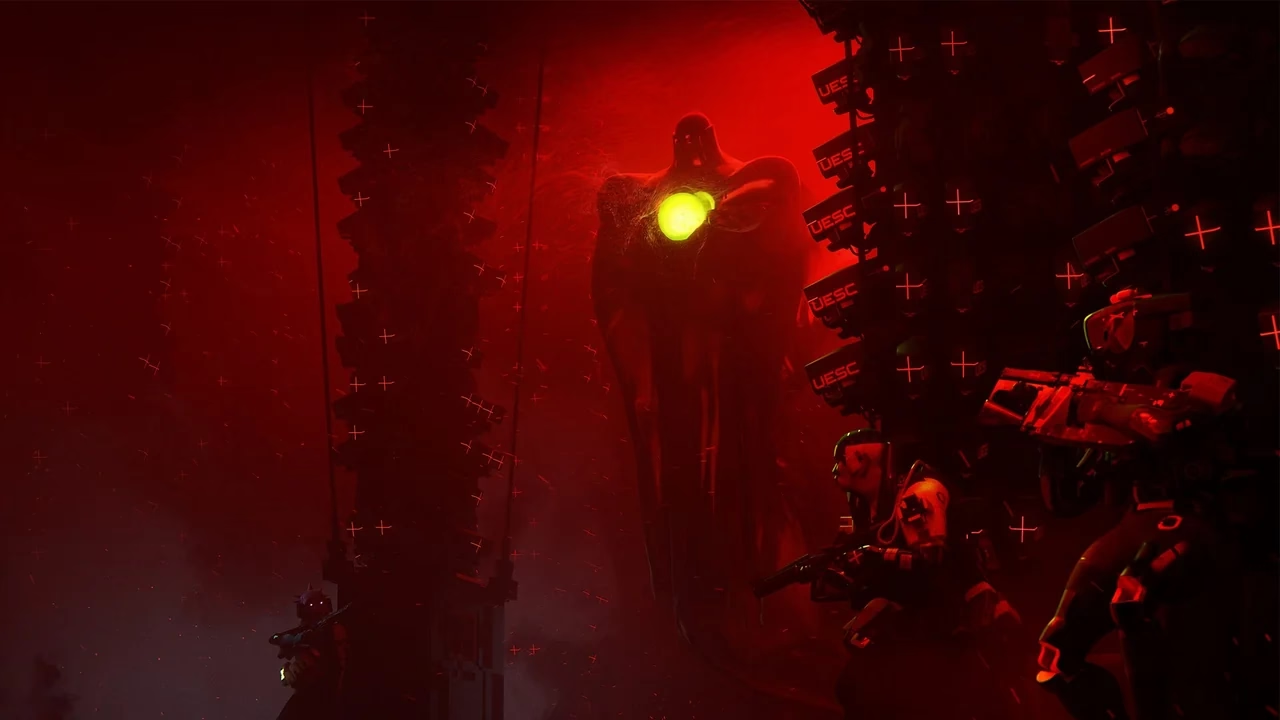
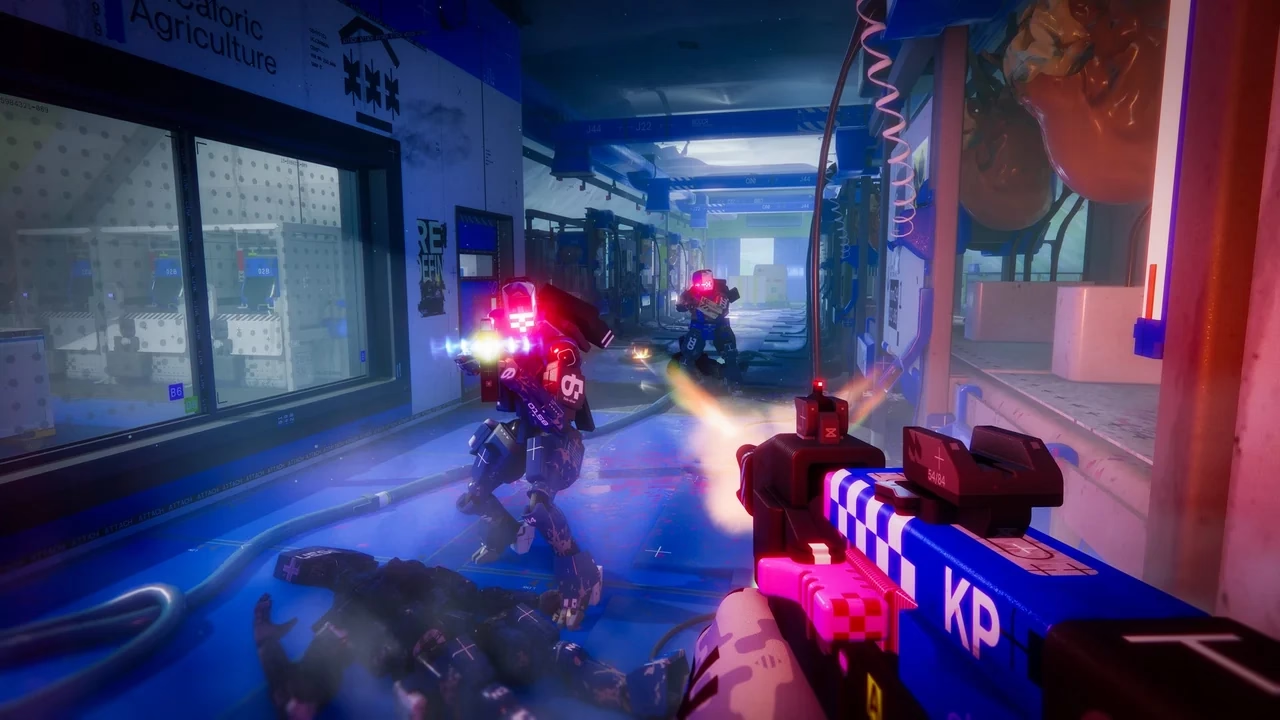
Marathon launched on March 5, 2026 for PS5, Steam and Xbox Series X|S. It is a first-person survival extraction shooter: bio-cybernetic Runners scavenge Tau Ceti IV while facing hostile security forces, other Runners and dangerous environments. Getting useful equipment out alive is central to the experience. Bungie's January release announcement describes solo play or crews of three and contracts from six factions.
The name revives an existing Bungie universe. Its 2023 announcement explicitly connected the new project to the original 1994 Marathon. Calling it a wholly new IP obscures that history.
The launch model was paid. Bungie's December 2025 ViDoc article announced a target price of US$39.99 / €39.99 / £34.99; the January announcement subsequently detailed Standard, Deluxe and Collector's editions. Those dated announcements should not be treated as a current regional price list.
Comparisons need the correct purchase model and gameplay. Helldivers 2 is a paid cooperative shooter. Concord also launched as a paid game: Firewalk advertised a US$39.99 Standard Edition for its 2024 launch. Neither is a free-to-play example. Their different formats also prevent their outcomes from providing a ready-made forecast for Marathon.
What Changed Between the Alpha and Launch?
The March launch followed a delay. On June 17, 2025, Bungie postponed the planned September 23 release after reviewing alpha feedback. It identified tougher AI encounters, more rewarding runs, more strategic combat, visual and narrative improvements, a darker tone, better solo/duo experiences and proximity chat as areas of work.
The December ViDoc later described proximity chat, Rook's solo scavenger experience, a solo Runner queue and visual improvements. That provides a specific account of iteration. It does not establish an implemented kill-cam system, an exact development budget or the internal cause of every design decision.
The March 3 launch preview listed three planetside zones: Perimeter, Dire Marsh and Outpost. It also listed six factions and 28 weapons. Cryo Archive and Ranked were additions scheduled for early Season 1. That distinction matters: a season's content offering is not necessarily the set of maps available on launch day.
Art provenance was another part of the pre-release story. In a December 2, 2025 statement reproduced by Stephen Tailby in his December 3, 2025 Push Square report, Fern “Antireal” Hook said the Marathon art issue had been resolved with Bungie and Sony to her satisfaction. Bungie's official credits list Hook as a Visual Design Consultant. The statement does not disclose payment terms or establish that this issue caused the release delay.
Sony's Investment and Bungie's Restructuring
Sony completed its acquisition of 100% of Bungie's shares on July 15, 2022. The July 15, 2022 SEC closing announcement put adjusted total consideration at approximately US$3.7 billion, including the purchase price and committed employee incentives. That is an acquisition figure, not Marathon's development budget.
The July 31, 2024 restructuring statement separated three actions:
- 220 roles eliminated: roughly 17% of the studio's workforce.
- 155 roles planned for integration into SIE: roughly 12%, over the following few quarters.
- A separate incubation-project spinout: a new science-fantasy action game would continue within a new PlayStation studio.
Bungie said more than 850 people remained working on Destiny and Marathon. Transfers and eliminated positions are different categories; combining them into a single layoff total misrepresents the announcement. The statement also described overexpansion and financial pressure as reasons for refocusing.
On June 25, 2026, SIE announced further reductions affecting most of the Destiny team, some Marathon staff and supporting SIE teams. It attributed the decision to a strategic review of priorities and resources, while stating continued support for Marathon and incubation work.
Governance evolved after the acquisition. Although the 2022 announcement emphasized independence, Sony's August 7, 2025 earnings Q&A summary said structural reforms had brought greater integration and Bungie was acting more as part of PlayStation Studios. The original acquisition description is therefore incomplete as an explanation of later governance.
What Sony's Impairments Actually Show
On November 11, 2025, Sony said Destiny 2 sales and engagement had fallen below its acquisition expectations, partly because of changes in the competitive environment. It reduced business projections while saying improvements would continue.
| Reporting period | Bungie-related impairment | When disclosed |
|---|---|---|
| Q2 FY2025 | JPY 31.5 billion against a portion of Bungie's intangible and other assets in connection with Destiny 2 | November 11, 2025 |
| Q4 FY2025 | JPY 88.6 billion | May 8, 2026 full-year results |
| FY2025 total | JPY 120.1 billion | May 8, 2026 full-year results |
The full-year figures are in Sony's May 8, 2026 results. The fiscal label is FY2025, even though the year ended in calendar 2026. The Q4 disclosure was later information; it was not available when the November charge was announced.
An impairment reduces the recorded value of assets. It is not a statement that Sony withdrew that amount of cash from Bungie, nor a server-shutdown notice. These charges establish that Sony reassessed the investment's value. They do not reveal a specific Marathon break-even target or prove why an earlier executive left.
Leadership: Keep the 2025 Handoff Historical
On August 21, 2025, Pete Parsons announced he was stepping aside and named Justin Truman as Studio Head. Truman had been Chief Development Officer and Destiny 2's General Manager. “Studio Head” is the announced title; the statement does not disclose a personal financial motive.
The later position is different. In Bungie's September 17, 2026 update, Poria Torkan identified himself as Studio Head and Josh Deane as Head of Product and Marathon General Manager. The 2025 succession should not be used as the current leadership chart.
NIGHTFALL Was the First Reset, Not a Permanent Forecast
Season 2 was NIGHTFALL, which began June 2, 2026. Bungie's May 13 announcement set out the first seasonal reset. That made June a useful point for examining how players responded to starting again, rather than a future event still to anticipate.
For that specific reset:
- Gameplay progress reset: Runner, Ranked and Faction levels; faction upgrades; inventory and Vault items; most currencies; Schema purchase unlocks; mailbox contents; and most Priority Contracts.
- Important exceptions remained: LUX and SILK balances, faction access and each faction's initial Priority Contract completion, Rewards Pass progress, Cryo Archive Subroutines and retained cosmetics/non-seasonal Codex progress.
These details explain what the first wipe meant. They should not be extended into a promise about every subsequent update. In its September 24 Future of Marathon article, Bungie described moving away from strict seasonal releases. Its next stages were October's Nightfall Refresh, December's Symbiosis and a larger evolution in March 2027.
What the September Update Changes About the Argument
Bungie's September leadership update acknowledged that Marathon had not reached as many players as hoped while describing its critical reception positively. That is an attributed assessment, not a disclosed unit-sales total. A review average cannot substitute for audience retention, costs or revenue.
The same update explicitly said Marathon was never intended to replace Destiny. Bungie also announced work to restore vaulted Destiny 2 content. That is a development direction, with more details to come, rather than proof the content has already returned. Our Destiny 2 future timeline covers that separate sequence.
For Marathon, September's plan includes permanent PvE and an experimental Team Deathmatch mode with December's Symbiosis, followed by more connected survival experiences in March. As of this article's October review, those later stages remain plans. Their significance is the proposed expansion of how players can engage with Marathon, rather than confirmation that the studio's commercial problems are solved.
How to Judge Progress Without Inventing a Success Threshold
Our analysis: Marathon's commercial importance follows from Bungie's focused portfolio and the financial pressure Sony has disclosed. Sustainable engagement and delivery of promised changes would strengthen that position. Continued difficulty attracting and retaining players would make the business challenge harder. Neither scenario proves a specific closure outcome.
When evaluating subsequent updates, keep three questions separate:
- Did the promised experience ship? Compare the actual update with its dated announcement. A preview or cinematic still is not evidence a mode is playable.
- What does the audience measurement cover? Steam concurrency captures simultaneous Steam players. It is not total cross-platform population, copies sold or the number of people returning over a month.
- Has Bungie or Sony reported a business result? Revenue, costs and forecasts answer different questions from review scores. A platform's review percentage cannot establish profitability.
No universal “healthy” drop in a Steam peak or faction-level distribution can settle those questions on its own. For a player deciding whether to return, the useful comparison is more immediate: check which experiences are live, how progression currently works and whether the update addresses the reasons you stopped. The current Marathon update guide keeps those practical details separate from the studio's business history.