Three Games Show How Different Independent Development Can Be
Balatro, Animal Well and Hades II offered three different reasons to pay attention to independent games in 2024. One built its play around card combinations, another around discovering the uses of unusual tools, and the third invited players into the development of a studio’s first sequel.
They also show why “indie” tells you little about what you will do with a controller. It can describe games with external publishers, a solo developer supported by business partners, or an independent studio publishing its own work. Gameplay, production and release status are separate questions.
This retrospective keeps the 2024 milestones attached to each game. In particular, Hades II entered Early Access that year; its full release came later.
| Game | 2024 milestone | Developer / publisher | Central player decision |
|---|---|---|---|
| Balatro | Released February 20 | LocalThunk / Playstack | Build combinations that meet increasingly demanding score targets. |
| Animal Well | Released May 9 | Billy Basso / Bigmode | Discover how tools and creatures interact inside an interconnected world. |
| Hades II | Entered Early Access May 6 | Supergiant Games / Supergiant Games | Adapt a combat build while progressing through repeated attempts and character encounters. |
Balatro: Familiar Cards Became a System for Experimentation
The developer and publisher’s Steam listing credits LocalThunk and Playstack and records the February 20, 2024 release. Its recognizable poker hands sit inside a single-player deckbuilding roguelike: meeting a blind’s score target depends on the combinations you assemble.
Jokers change how a run develops, while Tarot and Planet cards, deck choices and other tools supply additional ways to alter the scoring plan. The interesting question is how the next choice fits the setup already taking shape. A familiar-looking hand can play a different role once its supporting effects change.
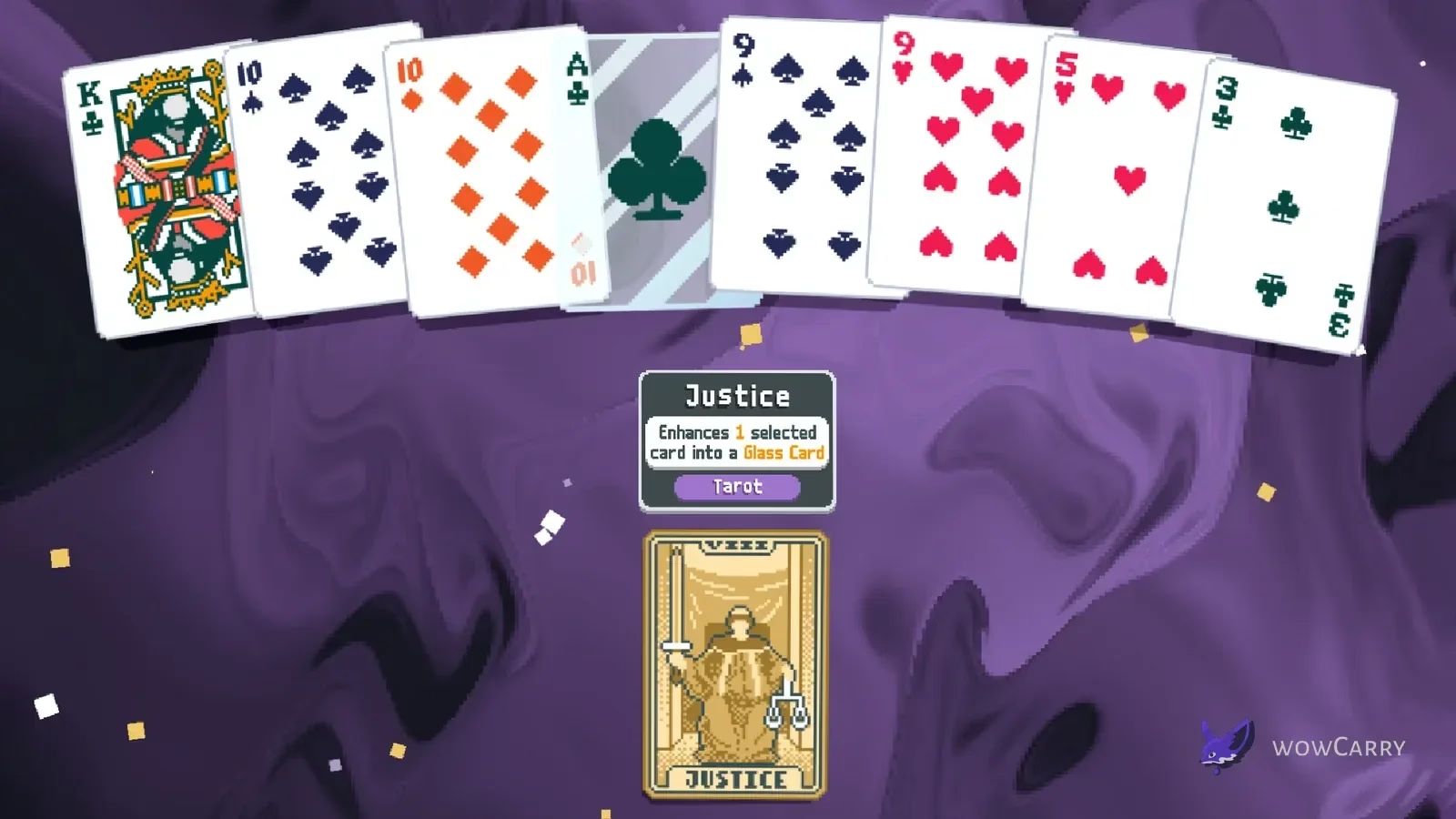
For a player choosing what to try: prioritize this kind of game if evaluating combinations, adapting a plan and learning from an unsuccessful run sounds appealing. Watching a huge final score tells you less about that fit than watching the decisions that built it.
As a production example, Balatro also makes the developer–publisher distinction concrete. LocalThunk’s creative role and Playstack’s publishing role are both visible in the credits. An independent game does not have to be released without outside publishing support.
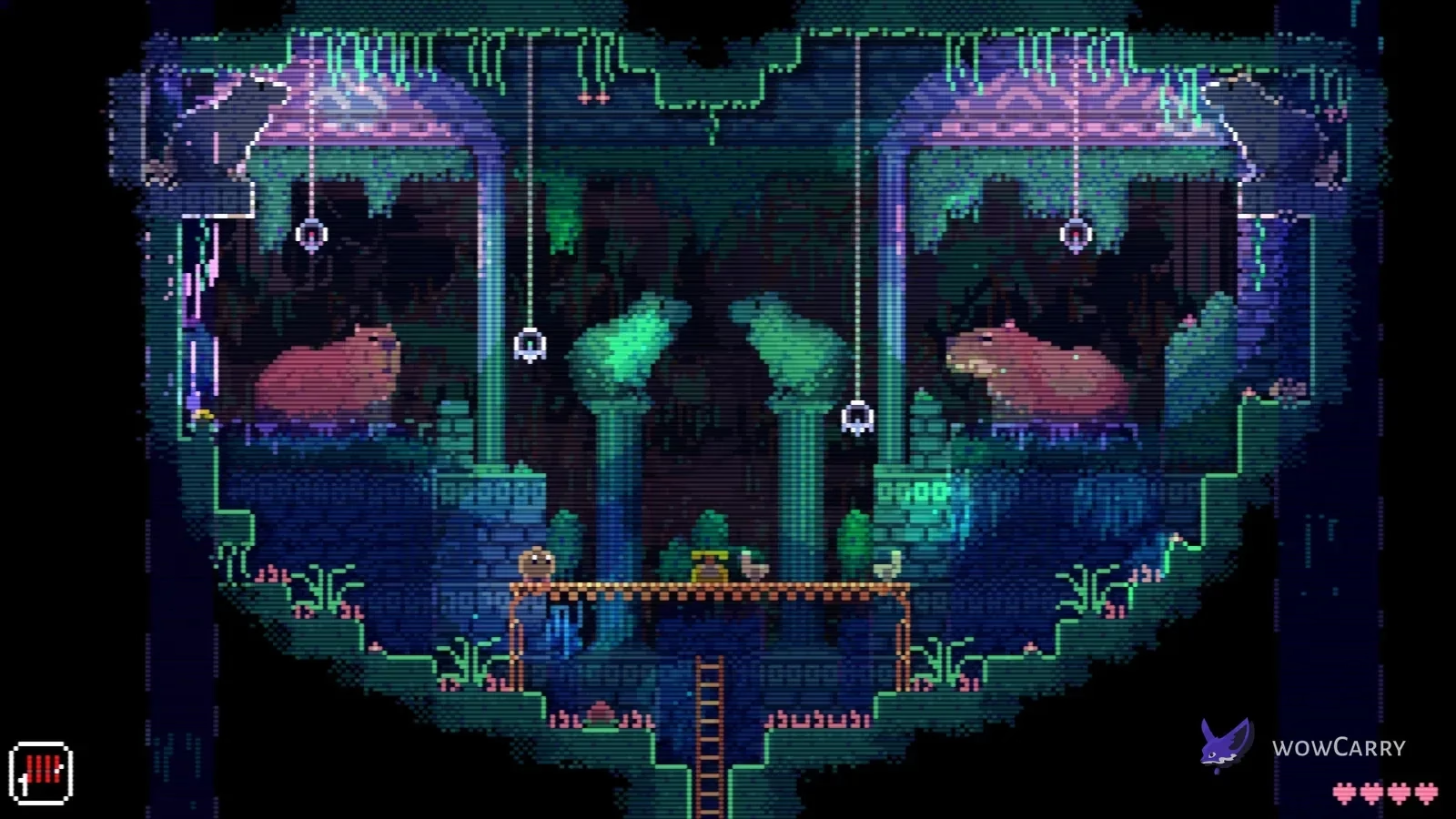
Animal Well: A Small Toolset Supported a Dense World
Shared Memory’s press kit identifies Billy Basso as the solo developer, Dan Adelman’s business and marketing role, and Bigmode as publisher. Development began as a nights-and-weekends project in 2017. “Solo-developed” therefore describes the development work, while the credits also show the people and partners helping bring it to players.
The design focuses on an interconnected labyrinth, tools with multiple uses and creatures whose behavior must be understood. The publisher’s game page emphasizes observation, experimentation and layers of secrets. The image at the top of this article comes from the official game press kit.
The useful player habit is to test an existing tool in a new context. Reaching a room that does not immediately make sense can be a reason to observe and return, rather than assume that another combat upgrade is required. Avoiding a full walkthrough preserves more of that discovery.
Basso’s launch message encouraged players to compare discoveries with a small group of friends before looking everything up or joining the wider community. That is a concrete example of a game supporting conversation through shared investigation, without needing a competitive ladder.
Hades II: Players Joined an Ongoing Development Process
Supergiant’s May 6, 2024 announcement launched Hades II in Early Access on Steam and the Epic Games Store. The studio described feedback and further major updates as part of finishing the game. Players were entering a substantial playable project with more production ahead.
Its action revolves around Melinoë, dark sorcery and repeated journeys against the Titan of Time. Character encounters and story progression sit alongside combat choices, so the appeal includes both trying another build and seeing what happens between attempts.
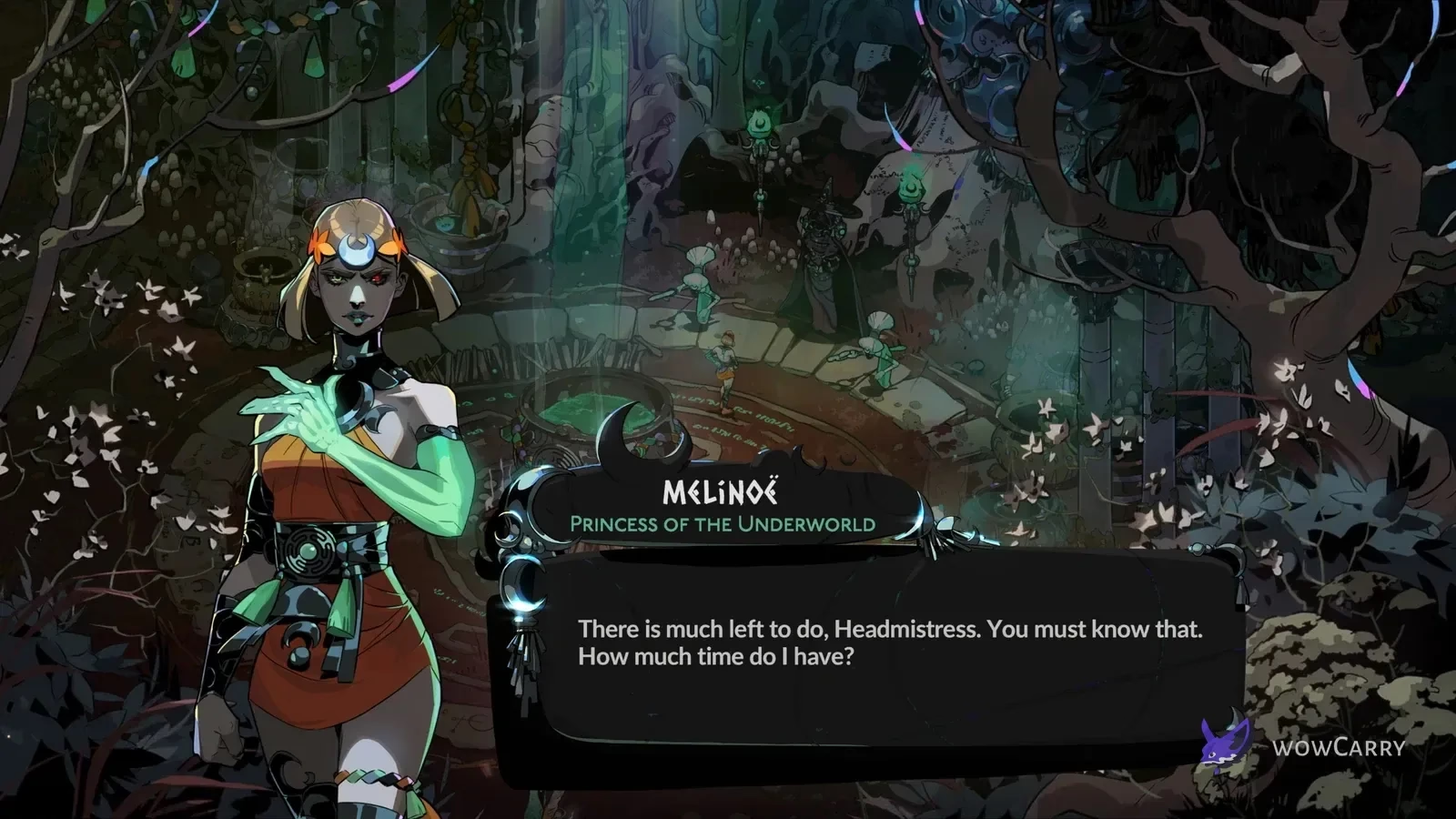
The important date distinction is now settled: Supergiant’s official FAQ records September 25, 2025 as the v1.0 launch. A 2024 account describes an earlier stage of the game. Its incomplete story, balance or roadmap should not be presented as the state of today’s full release.
For this studio, community participation meant feedback during active development. That differs from Animal Well’s emphasis on players discovering a largely self-contained world. Both relationships are useful to discuss, but they should not be flattened into a claim that every indie game follows one production model.
Choose the Experience First, Then Check Its Release Status
These three examples suggest a more useful way to evaluate a game than relying on the indie label alone:
- Look at the repeated decisions. Balatro asks you to shape a scoring system; Animal Well asks you to understand a place and its tools; Hades II pairs combat adaptation with an unfolding story.
- Watch enough ordinary play to recognize the loop. A late-game combination, a solved secret or a trailer’s boss montage can hide what most of a session involves.
- Keep spoilers proportional to the decision. A feature description and a short early section may tell you enough about a puzzle game without revealing its major discoveries.
- Check the version and platform you intend to use. A 2024 Early Access impression and a later full-release description can both be accurate about different builds.
The contribution illustrated by this part of 2024 is variety in what games ask of players, and in how they reach those players. Card systems, exploratory puzzles and story-driven action can each sustain a distinct experience. Their developer credits and release histories make that case more clearly than an unsupported claim about the whole industry moving in one direction.