WoW Forever Alchemy: Plan the Next Useful Craft
Build your Alchemy plan from the recipes and training requirements currently visible to your character. Choose a useful target, count the materials for the next stretch, and check whether a recipe still gives reliable skill gains before buying more. A recycled Classic 1–300 shopping list is not an exact Forever route.
Forever adds profession recipes, dungeon Blueprints, Camping workspaces, and Legacy milestones. This guide explains how to plan around those systems without inventing a cheapest recipe sequence or a fixed herb total that has not been tested in the current client.
Key Takeaways
- Alchemy’s announced Camping contribution includes an Alchemy Lab.
- Non-gathering primary professions have Legacy milestones at skill 150, 225, and 300.
- Those milestones are not a substitute for checking the actual character-level and training gates.
- Herbalism is a natural supply partner, while buying materials requires a separate currency plan.
- Recipe difficulty and uncertain skill gains can change how many crafts a stretch needs.
- Keep materials for a known useful craft before committing to a speculative full-route purchase.
The Lab and broader profession changes follow Blizzard’s profession and Camping overview; the skill milestones follow the official Legacy challenge list.
Training and Milestones: Two Different Checklists
At each trainer visit, check your current skill cap, what is required for the next training step, and which recipes become useful afterward. Do not buy materials for a later stage before confirming that your character can train it.
| Checkpoint | What it establishes | What you still need to verify |
|---|---|---|
| Current training cap | The limit your character can reach now | Requirements and cost for the next rank |
| Skill 20 | First Camping objects begin at this profession skill under the announced system | Your available recipe, learning source, and materials |
| Skill 150 | One published crafting Legacy milestone | The current training route and recipes that reach it |
| Skill 225 | A later published crafting Legacy milestone | Character requirements, recipe access, and material cost |
| Skill 300 | The final published launch crafting milestone in the Legacy list | A current route, uncertain gains, and any required recipes |
Alchemy qualifies as a non-gathering primary profession for the tradeskill challenge structure. Herbalism does not earn those crafting milestones merely because it supplies Alchemy. Develop the pair for its practical use rather than counting the same progress twice.
Herbalism Supply or Purchased Materials?
Herbalism can support an Alchemist who gathers while following ordinary quest routes. Record which herbs your next recipes actually need, and avoid filling bags with materials that have no current use. A distant gathering detour has a time cost even when no gold changes hands.
Buying materials can be sensible when you have a clear craft goal and a budget. Compare unit prices, not only stack prices, and include vendor components and training. A cheap stack is not useful if it belongs to a recipe stage you cannot reach.
Gathered herbs also have an opportunity cost. If selling them would fund a more useful character goal, using them in low-value crafts is not automatically the better choice. Decide whether the craft provides skill progress, a consumable you need, or a finished item with realistic demand.
Verify the Recipe Before Buying Herbs
- Write down your current skill and the next useful target.
- Choose a recipe you actually know and inspect its current ingredient list.
- Check its skill-gain difficulty and whether a better available recipe solves the same goal.
- Count the ingredients already in your bags or storage.
- Buy enough for a small stretch, including required vendor components.
- Craft, record the actual skill gains, then recalculate the remainder.
| Recipe detail | Why to check it |
|---|---|
| Current recipe and training requirements | A familiar Classic recipe name does not establish the current Forever requirements. |
| Ingredients and vendor components | Confirm the recipe’s actual inputs before buying a large stack of herbs. |
| Skill-gain difficulty | Uncertain gains make a promised one-craft-per-point route unreliable. |
| Useful output | Choose a batch the character, group or market can use before repeating it. |
This approach limits the cost of discovering that a recipe, price, or training requirement differs from an older guide. It also leaves room to switch to a craft your group actually needs.
Alchemy Lab, Camping, and Blueprint Planning
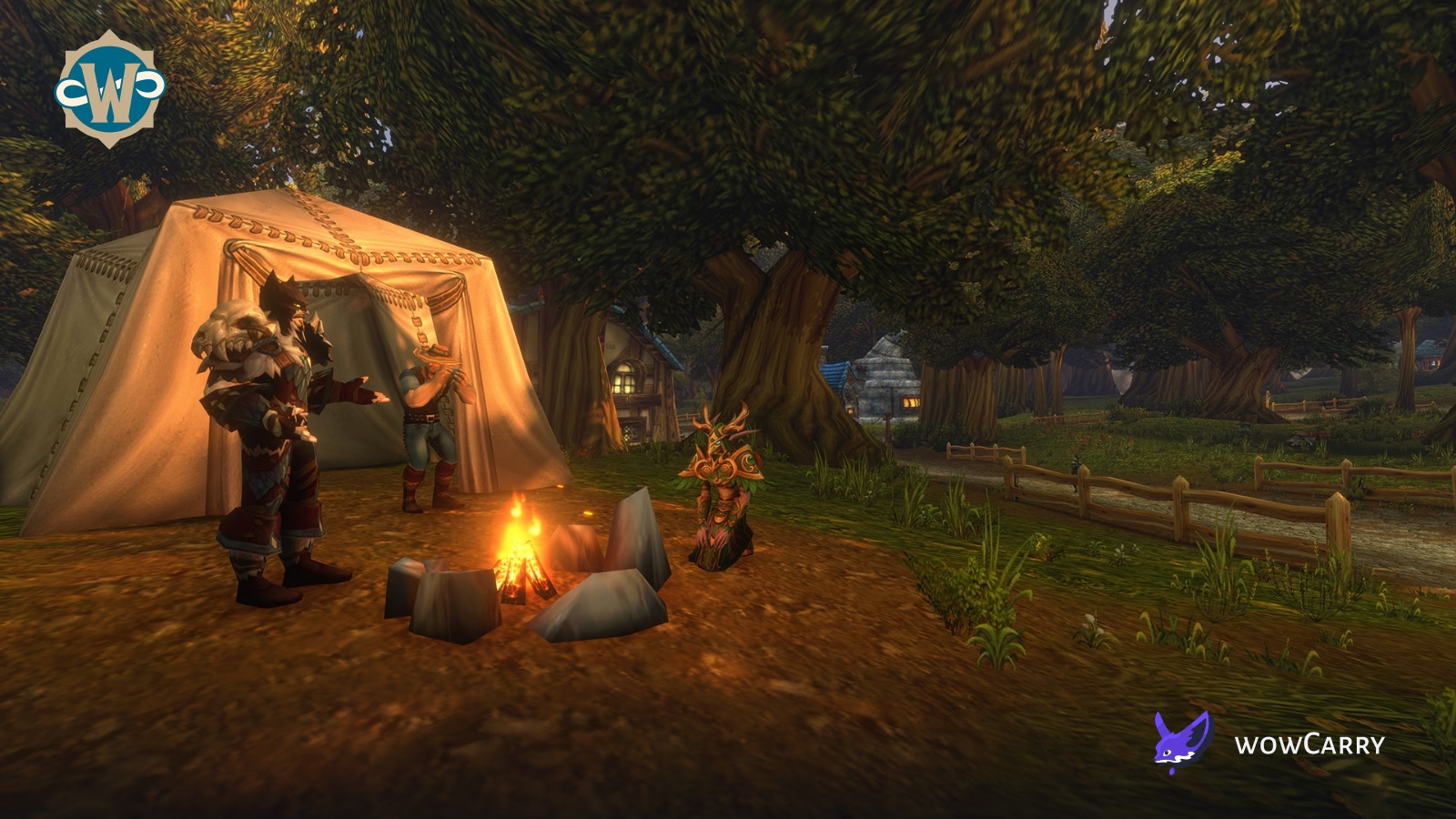
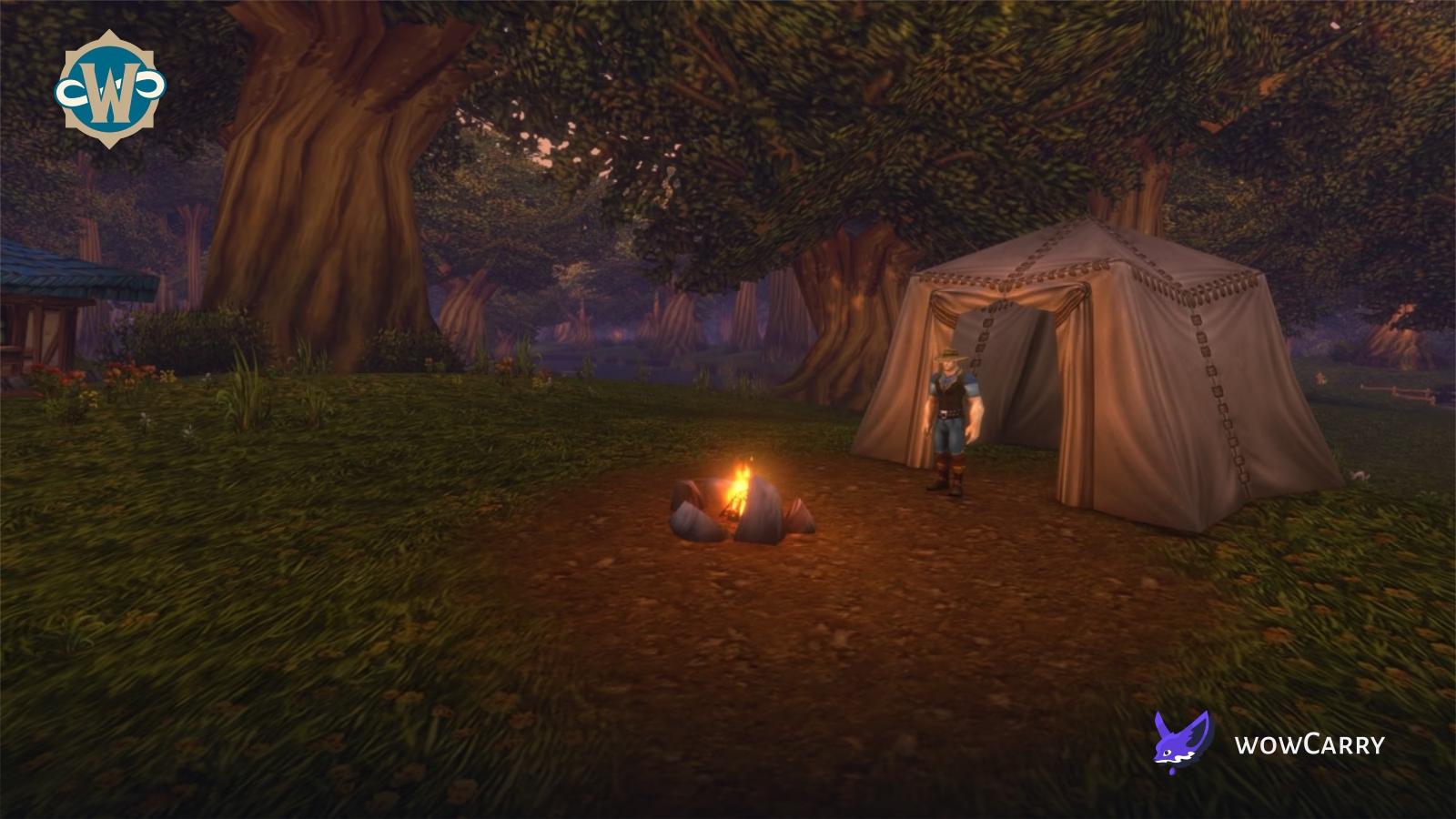
The Alchemy Lab is an announced profession contribution to a camp. Confirm its learning source and current recipe requirements before promising one to your group. A campfire, a learned object recipe, and the ingredients for an intended craft are separate pieces of preparation.
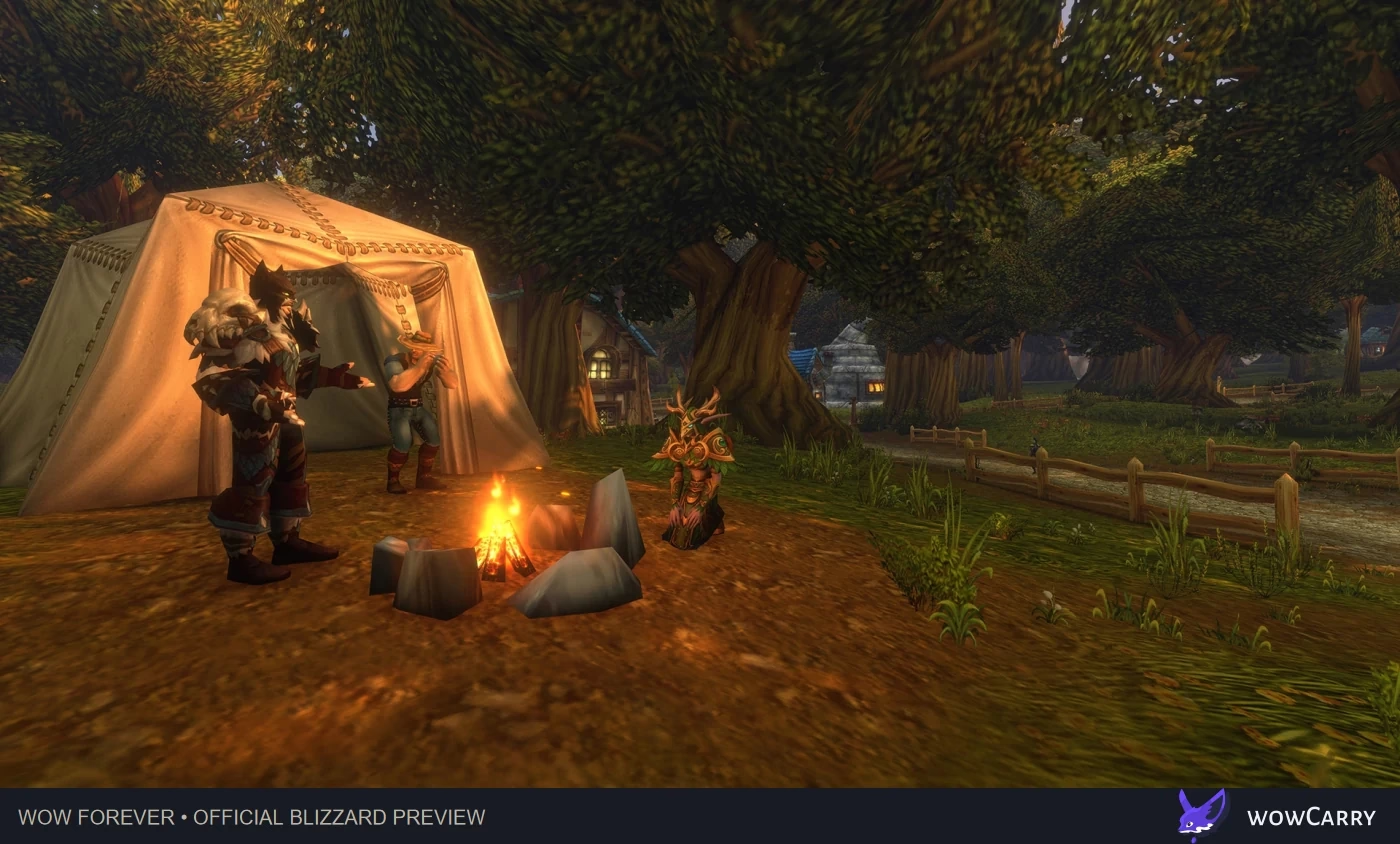
Coordinate the contribution with the campsite’s capacity and other players’ objects. A Basic Campfire has three special-object slots, and each player can contribute one. Choose a workspace because someone has a real craft to complete, rather than placing it without the other necessary materials.
Blizzard also identifies advanced Blueprint recipes from dungeon bosses across professions. That establishes another possible source to investigate; it does not supply a verified Alchemy Blueprint drop list. Check the actual recipe, profession, skill, and source before planning a farm.
What to Keep, Use, or Sell
Reserve outputs that support your next sessions or an agreed group need. Keep intermediate materials only when they belong to a known later recipe. Label speculative stock separately so it does not quietly consume all your storage and currency.
If crafting for sale, start with a small batch and record completed sales after costs. A high advertised price does not prove demand. Keep unsold output separate from realized income, and compare the craft with selling its ingredients.
Before arranging profession help, specify whether you need materials, skill progression, a recipe, or particular finished items. Those are different scopes. Confirm current availability and the route used, especially before normal launch play.
Before the Next Alchemy Purchase
Use this check before spending on a large batch.
- The current recipe is known and its ingredients are verified.
- My character meets the required training and skill conditions.
- Existing stock and vendor components are included in the count.
- Uncertain skill gains have not been treated as guaranteed.
- The finished output has a clear use or a realistic sale plan.
Compare your profession supply options and Measure crafting costs and realized income. For campsite use, Plan the Lab contribution with your group before the journey.
FAQ
Is there an exact 1–300 Alchemy shopping list here?
No. Exact quantities need current recipes, training gates, and skill-up evidence. This guide provides a batch method instead of recycled totals.
Which Alchemy skill levels matter for Legacy?
The published non-gathering primary profession milestones are 150, 225, and 300.
Do I need Herbalism?
It is a natural supply partner, but purchased materials are another planning option. Compare time, currency, and your other profession goals.
What does the Alchemy Lab add?
Blizzard identifies it as an Alchemist’s campsite object. Check current recipes and requirements before relying on it for a particular craft.
How do I avoid overbuying herbs?
Plan a small verified batch, subtract usable stock, craft, then update the remaining requirement using actual skill gains.
Maintained by WowCarry's editorial desk. AI-assisted source research; no gameplay testing is claimed. Last reviewed 2026-10-18. Sources: official profession/Camping overview and Legacy guide. No exact 1–300 route or unverified material total is claimed.