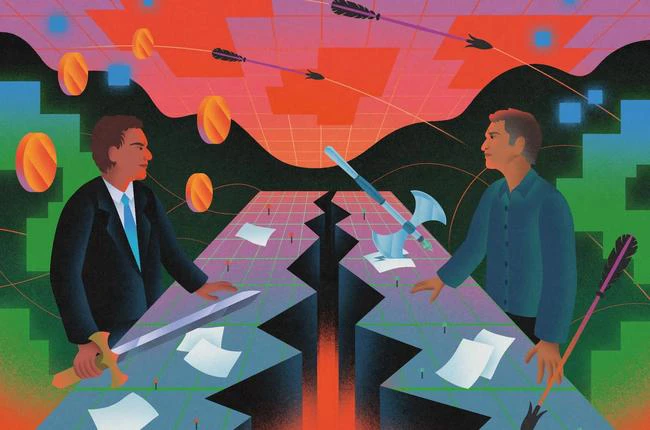
Welcome to a new blog post presented by WowCarry, where we delve deep into the intriguing dynamics of one of the gaming industry's most significant partnerships and its subsequent breakdown. This discussion stems from insights in the upcoming book “Play Nice” by Jason Schreier, which offers a compelling narrative of the events that unfolded within Blizzard Entertainment and Activision, shaping the future of these companies.
The Formation and Fracture of a Video Game Giant
The story of Blizzard Entertainment is nothing short of a roller coaster of creativity, conflict, and corporate politics. Spanning over three decades, the company has been at the forefront of the gaming industry, celebrated for its groundbreaking titles like 'World of Warcraft' and 'Diablo'. However, the book "Play Nice" particularly highlights a tumultuous period following the merger of Activision and the parent company of Blizzard, Vivendi, which created Activision Blizzard Inc. in 2008, translating into a significant shift in corporate culture and management style.
The Cancellation of Project Titan
One of the most pivotal moments in Blizzard’s history under this new conglomerate was the cancellation of Project Titan in 2013. Initially intended to be the next big MMO after World of Warcraft, Titan suffered from mismanagement and ballooning budgets, reportedly costing $80 million with no fruition. This failure underlined not only a significant financial loss but also marked a cultural shift within the company towards a more profit-oriented approach led by the introduction of a new CFO focused on financial metrics.
From Titan’s Ashes to Overwatch’s Success
Although Titan never saw the light of day, its developmental groundwork helped pave the way for Overwatch, a title that achieved critical acclaim and commercial success upon its release in 2016. This pivot underscored Blizzard's ability to innovate and turn setbacks into profitable ventures. However, it also highlighted the increasing tension between the original values of Blizzard, which cherished creativity and player satisfaction, and Activision’s profit-driven strategies.
Corporate Conflict and Cultural Shifts
The merger introduced significant changes in how Blizzard operated, emphasizing quicker release cycles and monetization strategies which often clashed with Blizzard's traditional approach of "It'll be ready when it's ready." This change was a departure from the philosophy that had once led to the monumental success of games like Diablo, which missed a Christmas release but still performed exceedingly well commercially.
Financial Strategies and Staff Cuts
In the wake of financial pressures, Activision’s influence became more pronounced with Bobby Kotick, Activision CEO, advocating for strategies to maximize profitability across various platforms. This was a stark contrast to Mike Morhaime, Blizzard’s President, who promoted equitable profit sharing to encourage creativity and innovation among his teams. This difference in vision led to budget cuts, increased focus on lucrative franchises, and a reduction in support staff, altering the company’s operational dynamics and employee morale.
The End of Independence
The growing dominance of Activision culminated in 2018 when Blizzard’s autonomous status was officially challenged. The strategic unification under the "One ABK" policy during a leadership offsite indicated a clear shift towards a more centralized control over Blizzard’s operations. Subsequent to these events, Mike Morhaime’s departure marked a significant end of an era. His resignation email articulated concerns about Blizzard's future and its ability to retain its unique culture and creative talent.
Conclusion: The Lasting Impacts on Blizzard Entertainment
The tale of Blizzard's rise, its struggles with corporate integration, and the eventual resignation of its founding member reflect deep-seated issues within the gaming industry concerning the balance between creativity and profitability. Jason Schreier’s "Play Nice" provides us with an exhaustive insight into these complex dynamics, demonstrating the lasting impact of corporate decisions on creative entities. As Blizzard moves forward, the lessons from its past will undoubtedly continue to influence its trajectory in the ever-evolving gaming landscape.