Key Takeaways
Plan Kurog's altar path and add pairs before the pull.
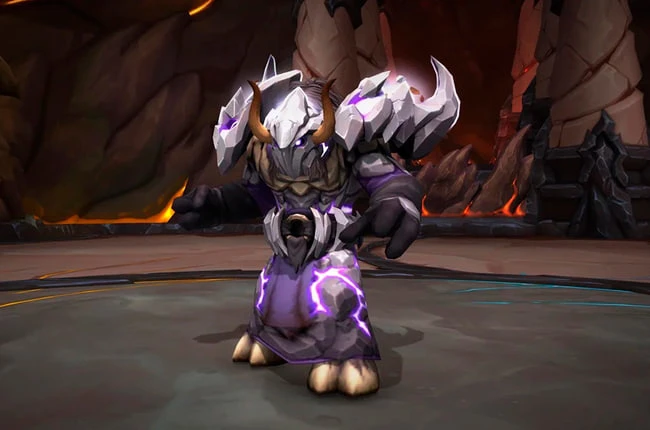
- Kurog Grimtotem was the sixth boss of Vault of the Incarnates, the opening raid of Dragonflight Season 1.
- The arena has four elemental altars. Kurog's location controls his active mechanics, while staying in one area builds increasingly heavy raid damage.
- At 100 energy, Kurog moves to the center, takes 99% reduced damage, and summons two elementals based on the altars used during that cycle.
- Tanks swap after every Sundering Strike, face the frontal away from the raid, and keep the boss out of the center during active phases.
- Heroic added Primal Shift and changed the altar and fire-elemental assignments; Mythic added tankable altar adds and new intermission overlaps.
- After all four intermission elementals died, Primal Attunement gave Kurog all four altar kits at once and turned the finish into a burn phase.
Each altar move selects new mechanics and adds.
Where Kurog Grimtotem Fits in Vault of the Incarnates
Vault of the Incarnates opened for Normal, Heroic, and Mythic during the week of December 12, 2022. Kurog's Caverns of Infusion Raid Finder wing followed in January 2023. Built for level 70 Dragonflight characters, the encounter is legacy content in the Midnight era.
This guide preserves the original mechanics for groups revisiting the raid. Damage checks and roster needs depend on level and scaling, so old progression routes are examples rather than present-day requirements. Players looking for the live tier can browse current WoW raid options.
How the Kurog Grimtotem Encounter Works
The room is divided into Flame, Frost, Earth, and Storm regions around a central convergence. Near an altar, Kurog gains that element's abilities and a stacking Dominance aura. Each stack increased the aura's damage by 10%, preventing a progression group from staying in one region indefinitely.
The center was not a reset point. During an active boss phase, Elemental Surge pulsed every 0.5 seconds and stacked. Tanks moved Kurog directly to the next region and parked him near a wall to control Sundering Strike's knockback.
At 100 energy, Kurog jumped to the middle and summoned two elementals chosen by the Dominance built during that cycle. He repeated that sequence twice. Once the raid had defeated an elemental from every altar, the final phase began with all four ability sets active.
📌 Raid-lead check: mark the altar regions, name the two-altars-per-cycle route, and assign intermission targets. Heroic Primal Shift punishes improvised crossings.
On Heroic, each crossing also applied Primal Break for 20 seconds. It increased damage taken from another Primal Shift by 300% and stacked, so the next transition waited until that debuff expired.
Normal Altar Mechanics and Responses
Assign each response before entering an altar.
| Altar | Main mechanics | Raid response |
|---|---|---|
| Flame | Magma Burst created pools. Searing Carnage made marked players leave five delayed eruptions. | Bait pools without overlap. Marked players follow a planned lane while everyone else clears it. |
| Frost | Biting Chill pressured the raid. Absolute Zero split damage within 8 yards. | Pre-assign melee and ranged soak groups so both impacts have enough players. |
| Earth | Erupting Bedrock formed expanding rings. Seismic Rupture erupted near selected players and pulled Earth Breakers from the ground. | Step across each completed ring instead of outrunning the pattern. Spread the rupture locations and control the spawned adds. |
| Storm | Thunder Strike placed soak circles. Shocking Burst exploded around marked players. | Claim one circle per player and spread for Shocking Burst. A missed soak damaged the raid. |
A common Normal/Heroic route used Frost → Flame, then Storm → Earth. It produced predictable Frost/Flame and Storm/Earth intermissions. Other orders work when the group plans each resulting add pair.
✏️ Positioning tip: use a short, deliberate move between altars. Crossing early activates the next elemental kit sooner; crossing late leaves healers handling higher Dominance stacks.
Intermission Elementals and Kill Priority
Kurog took 99% reduced damage during each intermission, so damage moved to the two elementals. Their damage increased while they lived, making a declared first target essential.
| Elemental | Danger | Practical assignment |
|---|---|---|
| Blazing Fiend | Magma Flow created pools around the room. | Keep the floor organized while prioritizing the more dangerous partner. |
| Frozen Destroyer | Frost Binds was interruptible. Freezing Tempest required players to move within 10 yards. | Assign an interrupt rotation, stack in for Freezing Tempest, and usually kill this add first in the Frost/Flame pair. |
| Tectonic Crusher | Ground Shatter left later eruption zones. | Drop marks near the edge and swap tanks as its melee amplification rises. |
| Thundering Ravager | Lethal Current followed a target and damaged allies within 8 yards. | The target separates immediately. Groups commonly killed the Ravager before the Crusher to shorten the movement pressure. |
Another altar order changes the pairs. Identify both elementals before the pull and name the first target, but keep resolving the off-target add's casts while it is tanked. Both remain active, and their passive damage ramps until they die.
Role Assignments That Survive Every Route
Every route uses the same role assignments.
- Tanks: swap after each Sundering Strike, keep its frontal away from the raid, and coordinate who collects each intermission add. Move Kurog between active regions without stopping in the center.
- Healers: plan throughput cooldowns for the high end of each Dominance stack and the final burn. On Heroic, spot-heal the Earth altar's absorbs and rotate the Frost soak groups.
- Damage dealers: save interrupts for Frost Binds, switch promptly to dangerous adds, and preserve enough boss damage to reach the final phase cleanly.
- Raid leader: call the next altar, track the 20-second Heroic crossing debuff, and restate the intermission priority before 100 energy.
These assignments survive scaling changes.
What Heroic Changed
Heroic kept the same altar-driven encounter but added a mechanic to each region. Flame gained Molten Rupture waves. Frost gained Frigid Torrent orb patterns, and repeat Absolute Zero soakers could be frozen. Earth gained Enveloping Earth healing absorbs. Storm gained Lightning Crash, which passed periodic damage to the closest player and left the original target more vulnerable to Nature damage.
The Blazing Fiend also changed on Heroic: Magma Flow pools spawned Smoldering Hellions. Assign interrupts to their Flame Bolt while the raid continues handling both main elementals.
Thunder Strike and Lightning Crash are easy to confuse. Thunder Strike is the set of ground impacts that each need one player. Lightning Crash is the partner-positioning debuff. Assigning those calls to different raid markers prevents players from stacking for the wrong mechanic.
What Mythic Changed
Mythic summoned a matching large add when Kurog attuned to an altar. A second tank faced its frontal away from the raid, while cleave killed it before or shortly after its 100-energy enrage.
| Altar add | Mythic assignment |
|---|---|
| Flamewrought Eradicator | Raging Inferno ignited existing magma pools. Defensive soakers reduced each inferno before another Smoldering Hellion emerged. |
| Frostwrought Dominator | Icy Tempest required every player to stay within 10 yards of at least two allies. Read Frigid Torrent from both the add and Kurog; their waves could overlap. |
| Earthwrought Smasher | Its frontal applied a healing absorb. Both the Smasher and Kurog cast Erupting Bedrock, producing two patterns that could overlap; separate them enough to leave readable gaps. |
| Stormwrought Despoiler | Orb Lightning had to be intercepted before its 10-second raid explosion. Each soak knocked the player back and applied a persistent stacking damage effect. |
Mythic also upgraded the ordinary intermission elementals: Blazing Fiend gained Searing Carnage, Frozen Destroyer gained Absolute Zero, Tectonic Crusher gained Seismic Rupture, and Thundering Ravager gained Thunder Strike. Those casts overlapped their base mechanics and still resolved from the off-target add.
The exact route depended on tuning. Method's 2024 Awakened guide used Fire, then Earth, then Frost for the burn, unlike the common Normal/Heroic example.
⚠️ Legacy warning: use old percentages and cooldown timestamps as historical examples. Current level and scaling change the damage checks, but altar adds and empowered intermission casts still matter whenever they live long enough to resolve.
Primal Attunement and the Final Burn
After the second intermission, Kurog entered Primal Attunement. He gained all four altar kits and dealt increasing elemental damage every 0.5 seconds. Soaks, spreads, floor patterns, and healing pressure overlapped until he died.
Normal and Heroic groups commonly saved Bloodlust or Heroism for this phase. Some Mythic routes used it on the pull for earlier damage targets. The choice followed the route, but the finish always rewarded clean positioning and unused defensives.
Frequently Asked Questions
These answers separate permanent rules from historical route choices.
What altar order should a group use for Kurog Grimtotem?
Frost → Flame, followed by Storm → Earth, is a readable Normal/Heroic route because it creates predictable Frost/Flame and Storm/Earth intermissions. It is not the only valid order. A raid can choose another sequence if it plans the resulting elementals, watches Dominance damage, and avoids crossing again while Primal Break is active on Heroic.
What happens when Kurog reaches 100 energy?
Kurog moves to the center, reduces incoming damage by 99%, and summons two elementals based on the Dominance accumulated during that boss cycle. The raid kills both adds to end the intermission. After two cycles expose and defeat all four elemental types, Kurog begins Primal Attunement.
Which Kurog intermission adds should die first?
In the common Frost/Flame pair, groups usually killed the Frozen Destroyer first because Frost Binds and Freezing Tempest created immediate raid pressure. In the Storm/Earth pair, the Thundering Ravager was commonly first because repeated Lethal Current channels forced movement. A different altar route produces different pairs, so priority should be called before the pull.
What is different on Heroic Kurog Grimtotem?
Heroic adds Primal Shift and Primal Break, one new ability at every altar, a stacking penalty for repeat Absolute Zero soakers, and Smoldering Hellions from Blazing Fiend pools. The practical changes are slower crossings, two Frost soak groups, planned Lightning Crash partners, fast Earth-absorb healing, and Hellion interrupts.
What is different on Mythic Kurog Grimtotem?
Each altar summons a tankable elemental that enrages at 100 energy and adds its own frontal or overlap. The regular intermission elementals also gain an altar ability. A Mythic route therefore controls which large add is active, how cleave is assigned, and which extra soak, spread, or floor pattern lands during each intermission.
When should the raid use Bloodlust or Heroism?
Normal and Heroic groups generally saved Bloodlust or Heroism for Primal Attunement, when all four altar kits and increasing raid damage overlapped. Mythic groups sometimes used it on the pull to meet an altar-add damage target. Use it where the group's route has its hardest overlap rather than copying an old timestamp.
Last reviewed 2026-08-20 against Patch 10.0.2 Dragonflight Season 1 — Maintained by WowCarry's WoW team.