Key Takeaways
- Restoration Druid opened Dragonflight as a mid-tier healer, then climbed after the Patch 10.0.7 talent-tree revamp to anchor early Mythic+ and raid healing through Season 2.
- Season 2 leaned on stacked Rejuvenation and ramped burst healing, until the rise of Holy Paladin and late-season tuning crowded the spec out.
- Season 3 nerfs pushed Resto Druid from burst toward sustained healing and tightened mana, dulling the ramp identity that had defined it.
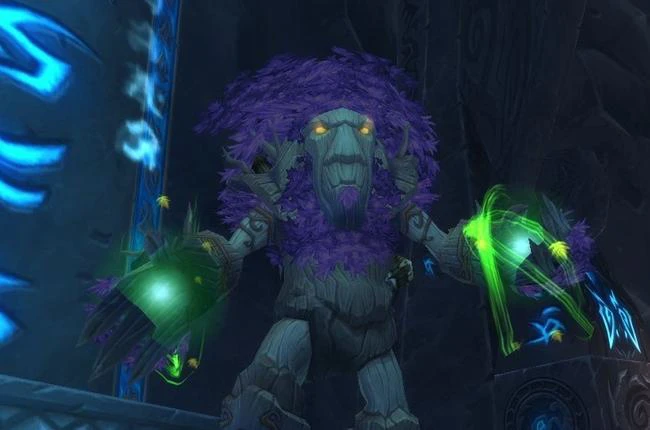
- Grove Guardians, added in Patch 10.1.7, gave the spec off-GCD treant healing, but a late-Dragonflight tier set leaned on them so hard it risked turning Resto into a pet spec.
- The wishlist for The War Within asked for a healthier mana economy, a stronger Flourish, and less Grove Guardian reliance; in practice The War Within leaned further into Grove Guardians through the Keeper of the Grove hero tree.
- The biggest talent-tree gripes were Rising Light, Falling Night, the misplaced Improved Sunfire, and the largely useless Ironfur node.
This retrospective, written by Voulk, WowCarry's Restoration Druid writer, looked back on the spec's arc near the end of Dragonflight and laid out the wishlist players carried into The War Within. The opinions are his; the dates and patch history have been verified.
Restoration Druid's Journey Through Dragonflight
Season 1: Early Mythic+ Strength
Restoration Druid started Dragonflight in a decent but unremarkable place. A small throughput buff in Week 2 of the season, followed by a spec-tree revamp in Patch 10.0.7, turned that around. The spec became one of the few healers that could hold early Mythic+ healing checks, and it stayed strong across the season.
Season 2: The Power of Rejuvenation
In Season 2 the Druid became a raid powerhouse. Blanketing the raid in Rejuvenation and chaining ramped burst healing made it both effective and genuinely fun to play in Aberrus. The shine faded late in the tier as Holy Paladin rose to the top of the healer charts and pressured Druid's spot in the meta.
Season 3: Nerfs and a Gameplay Shift
Season 3 brought nerfs to several talents and mana costs that changed how the spec felt. The emphasis moved from burst to sustained healing, and Resto Druid struggled to balance mana against output. It was a rough stretch for the spec and for healer balance overall.
Talent-Tree Pain Points
For all its strengths, the Restoration tree carried some dead weight, especially among throughput nodes.
Rising Light, Falling Night
Rising Light, Falling Night asked for a real point investment without returning much value, which squeezed out more interesting choices and pushed players toward throughput by default.
Improved Sunfire and Ironfur
Improved Sunfire moved to a better tree slot, but losing it as a baseline ability split spells from their purpose and made the tree feel less cohesive. Ironfur, meanwhile, is a Guardian armor active that sat in a key healing-tree position while doing almost nothing for a healer. Undertuned nodes like Nourish, Power of the Archdruid, and Invigorate could all have used a pass to become real options.
Tier Sets Across Dragonflight
Resto Druid's tier sets reshaped how the spec felt every season, and the results swung hard from one tier to the next.
| Season | Set bonus impact |
|---|---|
| Season 1 | A solid power increase driven by the 2-piece, a good start for the expansion's tier sets. |
| Season 2 | A strong 4-piece healing boost, one of the best Resto sets in a long time. |
| Season 3 | Built around Grove Guardians, it showed their potential but pushed them toward too large a share of the spec's power. |
Tier sets should add seasonal variety without swinging a spec from strong to weak and back. When tuning lurches season to season, the gear treadmill feels less rewarding than it should.
The Blurring of the Resto Druid Niche
Restoration Druid was known for its burst healing and ramp potential, the qualities that made it a benchmark healer. Season 3's shift toward sustained healing dulled that burst and blurred the niche, which hurt the spec on encounters that reward a strong ramp.
Mana, Cat-Weaving, and Memorable Encounters
Mana should make spell choice and timing interesting without becoming a straitjacket. In Season 3 the spec hit mana walls without much payoff, and balancing mana sensibly across every healer remained an open problem.
The bright spot was the rise of cat-weaving. Restoration Druids who shifted into Cat Form to deal damage during stable healing windows added a high skill ceiling to Mythic+, and the best players squeezed real DPS out of it. Players who want to push that style on current keys can browse our Mythic+ dungeon runs to climb faster.
Dragonflight also delivered standout healing fights. Kurog Grimtotem in Vault of the Incarnates, Rashok the Elder, and the final pull against Scalecommander Sarkareth in Aberrus all demanded sharp cooldown timing through short, brutal burst windows. Groups chasing a clean kill on those legacy bosses can see our WoW raid carries. Grove Guardians, added mid-expansion, brought an off-GCD healing companion to those pulls, though leaning on them too heavily risked making them the spec's defining feature rather than one tool among many.
The War Within Wishlist
Heading into The War Within, Restoration Druids carried a short list of hopes:
- A deeper look at mana economy across every healer, so resource management rewards smart play instead of just punishing it.
- A stronger Flourish to protect the spec's identity as a ramp healer.
- A smaller focus on Grove Guardians to avoid over-reliance on pet mechanics.
- A review of tertiary stats to reduce their pull on gearing.
At the time, only a preview of the Keeper of the Grove hero tree had been shown, alongside a second tree shared with Feral. Both have since shipped as Keeper of the Grove and Wildstalker. In practice, The War Within leaned further into Grove Guardians through Keeper of the Grove, the opposite of the wishlist's ask, which makes this editorial a useful time capsule of where the spec stood at the close of Dragonflight.
Last reviewed 2026-06-29 against Patch 10.2.7 Dark Heart — Maintained by WowCarry's WoW team.
FAQ
When did Restoration Druid peak in Dragonflight?
Season 2 was the high point. Stacked Rejuvenation and ramped burst healing made Resto Druid a top raid healer in Aberrus, until Holy Paladin rose late in the tier. Season 1 was also strong for early Mythic+ after the Patch 10.0.7 tree revamp.
What are Grove Guardians?
Grove Guardians is a Restoration talent added in Patch 10.1.7 that summons off-GCD treants to heal your group. It became a defining part of the spec's late-Dragonflight kit and the focus of a tier set, and it later anchored the Keeper of the Grove hero tree in The War Within.
Why did Resto Druid feel worse in Dragonflight Season 3?
Season 3 nerfed several talents and raised mana costs, shifting the spec from burst toward sustained healing. That blunted the ramp identity Resto Druid was built around and made mana management feel restrictive without a matching payoff.
What is cat-weaving for Restoration Druid?
Cat-weaving is shifting into Cat Form to deal damage during calm healing windows, then shifting back to top up HoTs. It rewarded skilled Resto Druids with extra Mythic+ DPS and was one of the most engaging parts of the spec in Dragonflight.
Which hero talents did Restoration Druid get in The War Within?
Restoration Druid received two hero trees: Keeper of the Grove, shared with Balance, and Wildstalker, shared with Feral. Keeper of the Grove leaned further into Grove Guardians, while Wildstalker explored shapeshifting and bleed synergy.
What was the Resto Druid wishlist for The War Within?
The main asks were a healthier mana economy across all healers, a stronger Flourish to preserve the ramp identity, less reliance on Grove Guardians, and a review of tertiary stats. The War Within addressed some of these only partially, and leaned harder into Grove Guardians rather than easing off them.