Diabolist Demonology Warlock Hero Talents in The War Within
A retro look at the Diabolist hero talents for Demonology Warlock in The War Within: Diabolic Ritual, the Overlord-Mother-Pit Lord cycle, and Ruination.
By:
John Langan
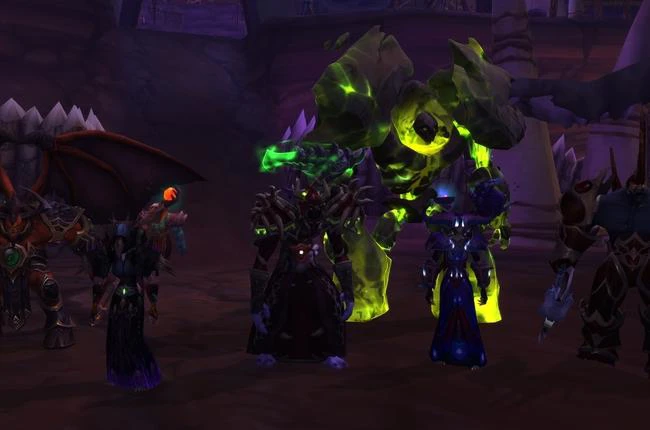
Here is how that loop fit together, talent by talent, the way it shipped and played through The War Within.
Diabolist arrived with The War Within (Patch 11.0.2) as one of the expansion's class-defining hero talent trees. Demonology Warlocks chose between two of them, Diabolist and Soul Harvester, and Diabolist was the demon-summoner's pick, leaning hard into the spec's core fantasy of calling bigger and bigger fiends into the fight. It was shared with Destruction, but it was on Demonology that its demon cycle felt most at home.
The design was a knowing callback. The tree's marquee mechanic was inspired by the old Doom spell, the long-fuse demon-summon Demonology players remembered from earlier expansions, rebuilt into something with a faster, more interactive rhythm. Where old Doom ticked away in the background, Diabolist asked you to keep spending Soul Shards to drive the payoff. Players catching up on older content can still grab remaining War Within content before it rotates further out.
Diabolic Ritual was the keystone and the heart of the tree. Spending a Soul Shard granted the ritual for 20 seconds, and every additional Soul Shard you spent knocked another second off its timer. When the timer ran out, you gained Demonic Art, a buff that turned your next Soul-Shard ability into a demon summon. Because the timer shrank with each shard spent, the whole tree rewarded spending shards aggressively rather than pooling them.
✏️ Diabolist rewarded shard discipline. Dumping Soul Shards faster shortened Diabolic Ritual and sped the demon cycle, so the spec played best when you spent on cooldown, since pooling shards only stalled the next summon.
During major cooldown windows the loop sped up further. Infernal Machine shaved an extra second off Diabolic Ritual per Soul-Shard ability while Demonic Tyrant, Nether Portal, or an Infernal was active, so your demons arrived faster exactly when your burst was already rolling.
Demonic Art always summoned the three demons in the same order, looping back to the start once the third had been called.
Overlord came first — a Fel Lord that leapt to your target and applied Cloven Souls, increasing the damage that enemy took from you and your pets by 10% for 20 seconds. That built-in damage amplifier made the first summon a setup tool for everything that followed.
Mother of Chaos followed. She dealt damage and turned your next Shadow Bolt into Infernal Bolt, which generated three Soul Shards to feed the loop. She was also the trigger for Demonfire Barrage, the payoff from Secrets of the Coven, which channelled a barrage of four Shadow Bolts or Incinerates at the target over 1.5 seconds.
Pit Lord closed the cycle and delivered the big moment. Summoning it turned your next Hand of Gul'dan (or Chaos Bolt, for Destruction) into Ruination: a demon-infested meteor that dealt Chaos damage to everything within 8 yards of the impact and summoned three Wild Imps. After Ruination fired, the cycle reset to Overlord and began again.
📌 The most common mistake was sitting on Demonic Art. Because each proc had to be consumed by your next Soul-Shard spender to fire the summon, holding it idle stalled the entire Overlord-to-Ruination chain and threw the rhythm off.
Around that core, Diabolist layered damage boosters and quality-of-life tools. Touch of Rancora made the first Soul-Shard ability after Diabolic Ritual hit 30% harder with its cast time cut in half, smoothing the opener. Gloom of Nathreza pushed extra damage into Hand of Gul'dan per shard spent, and Flames of Xoroth nudged up both fire and demon damage.
The utility was the underrated half of the tree. Soul-Etched Circles gave Demonic Circle: Teleport a Soulburn effect: 50% movement speed plus immunity to snares and roots for six seconds, turning a positioning tool into a genuine escape. Annihilan's Bellow cut 15 seconds off Howl of Terror's cooldown and extended its range by 5 yards, and paired with Oppressive Darkness it became a frequent, wide-area fear. Apex defensive picks like Infernal Vitality and Infernal Bulwark tied healing and a shield to your Infernal, rounding out the survivability.
The verified effects of the tree's key nodes, as they shipped in The War Within:
| Talent | Effect |
|---|---|
| Diabolic Ritual | Spending a Soul Shard grants Diabolic Ritual for 20 seconds; each Soul Shard spent reduces its duration by 1 second. On expiry, gain Demonic Art to summon Overlord, Mother of Chaos, or Pit Lord in sequence. |
| Cloven Souls | Enemies damaged by your Overlord take 10% increased damage from you and your pets for 20 seconds. |
| Touch of Rancora | After Diabolic Ritual, your next Soul-Shard ability deals 30% more damage and has its cast time reduced by 50%. |
| Secrets of the Coven | Mother of Chaos empowers your next Shadow Bolt or Incinerate into Demonfire Barrage — four bolts channelled at the target over 1.5 seconds. |
| Ruination | Summoning a Pit Lord turns your next Hand of Gul'dan (or Chaos Bolt) into Ruination: a meteor dealing Chaos damage within 8 yards and summoning three Wild Imps. |
| Soul-Etched Circles | Demonic Circle: Teleport gains Soulburn: 50% movement speed and immunity to snares and roots for 6 seconds. |
| Annihilan's Bellow | Howl of Terror cooldown reduced by 15 seconds and range increased by 5 yards. |
With the nodes laid out, the obvious question is how all of that felt to actually play.
As it shipped, Diabolist played to a familiar Demonology strength, summoning ever-bigger demons, but the Diabolic Ritual timer gave it a rhythm the spec had not had before. The constant pressure to spend Soul Shards, the fixed Overlord-Mother-Pit Lord march, and the Ruination meteor at the end of each cycle made it a tree about tempo as much as raw fantasy. It did not reinvent how Demonology summoned demons so much as give that fantasy a clock to dance to, and the strong utility from Soul-Etched Circles and Annihilan's Bellow made it a comfortable pick well beyond pure damage.
Anyone who wants a max-level Warlock to learn the spec hands-on can get a fresh Warlock boost and skip straight to the talent tree.
Diabolist was available to Demonology and Destruction Warlocks. On Demonology it sat opposite Soul Harvester, and on Destruction it sat opposite Hellcaller, so each spec chose one of two hero talents.
It was the keystone of the tree. Spending a Soul Shard granted Diabolic Ritual for 20 seconds, and every shard you spent afterward reduced that timer by 1 second. When it expired, you gained Demonic Art, which turned your next Soul-Shard ability into a demon summon.
The cycle was fixed: Overlord first, then Mother of Chaos, then Pit Lord, before looping back to Overlord. Each one had its own effect, with Pit Lord setting up the tree's biggest hit.
After a Pit Lord summon, your next Hand of Gul'dan (or Chaos Bolt on Destruction) became Ruination, a meteor that dealt Chaos damage to all enemies within 8 yards of the target and summoned three Wild Imps.
Enemies damaged by your Overlord had their souls cloven, taking 10% increased damage from you and your pets for 20 seconds. It made the first demon in each cycle a damage-amp setup for the rest.
No. Demonology Warlocks chose between Diabolist and Soul Harvester. Diabolist focused on the Diabolic Ritual demon cycle, while Soul Harvester leaned on the Soul Anathema damage-over-time theme.
Diabolist launched with The War Within, Patch 11.0.2, in August 2024, alongside the other hero talent trees introduced across every class.
Last reviewed 2026-06-28 against Patch 11.0.2 The War Within. Maintained by WowCarry's WoW team.