Overview
A shapeshifting hybrid whose form determines its immediate job. Cat, Bear and spellcasting setups need different equipment priorities and resource habits.
- Role
- Tank · Healer · Melee / Ranged DPS
- Primary stats
- Weapon stats or Intellect, by form
- Combat range
- Melee / ranged
- Resource
- Mana · Rage · Energy
Stay in Form for More of Your Everyday Actions
Druids can use potions, racial abilities and many objects without leaving form in WoW Forever. Weapon effects also work while shapeshifted, and equipped weapon DPS now feeds Cat and Bear attacks. Those changes affect both your equipment choices and the buttons you need during a difficult pull.
The rules here follow Blizzard’s Druid deep dive. They explain announced mechanics and role preparation; they are not a tested level-60 build. Check these exceptions before assuming an item will force you out of form:
What you can use while shapeshifted
| Action or effect | Announced behavior |
|---|---|
| Potions and similar consumables | All potions and almost all similar consumables work without cancelling form. Rage potions and Thistletea are usable by Druids. |
| Engineering bombs | Most remain unavailable in form. Specific new SAF-T and EZ-Thro recipes are exceptions; inspect the particular item. |
| Weapon enchantments and procs | Work in form, including weightstones, Crusader and Windfury Totem effects. |
| Racial abilities | Usable in form, including Shadowmeld, War Stomp and Walk on Air. |
| Doors and other objects | Most can be used without cancelling form; the announcement does not promise every object. |
Put a consumable you intend to use on an accessible action-bar slot. For Engineering, confirm the exact recipe rather than buying a stack on the assumption that “consumables work in form” covers all bombs.
Compare Weapon DPS, Not Just the Stat Bonuses
Bear, Cat and Dire Bear auto-attack DPS now follows the equipped weapon’s DPS. Form attacks use normalized swing speeds of 1.0 or 2.5 seconds, depending on form; abilities based on weapon damage use those adjusted values too.
This makes the weapon’s damage relevant to a Feral upgrade decision. Compare its DPS, attributes and effects together. A slow weapon does not simply make your Cat swing at the weapon’s original speed, and an old Classic stat-only comparison can miss a meaningful part of the upgrade.
For a Bear setup, the redesigned Thick Hide also converts Defense skill bonuses from equipment and buffs into additional armor in the supported forms. That creates a reason to inspect Defense items rather than dismissing the stat automatically. It does not establish a universal stat weight or make any Defense item better than every alternative.
Plan Bear Pulls Around the Targets You Can Control
Swipe still hits three targets and remains a Bear/Dire Bear ability. Its added Attack Power scaling does not make it unlimited-area threat. If four or more enemies join the pull, identify which ones are not staying on you and assign control rather than assuming every target receives the same coverage.
Lacerate joins the baseline toolkit at level 42, adding a stacking bleed and high threat. Do not plan an early dungeon pull around having it. Frenzied Regeneration can heal the full maximum-health amount over its duration only with sufficient Rage; the announcement is not an unconditional full-heal button.
Cat’s talented Feral Charge closes distance, but its Cat version does not interrupt or immobilize. Reaching a caster and stopping its cast are different jobs. Agree who handles the important cast before relying on a gap closer.
Use Revive After Combat, and Choose Healing Targets by Party
Revive is learned at level 12 and works out of combat. It gives Druids a normal post-fight resurrection. Keep that separate from a plan that depends on bringing someone back during an encounter; the existence of Revive does not make it a combat resurrection.
Restoration’s Swiftmend is a 16-point talent and no longer consumes the target’s Rejuvenation or Regrowth effect. When using it to answer a dangerous health drop, keep track of the healing-over-time effect that remains instead of assuming you must replace it immediately.
The 31-point Wild Growth targets a party or raid member, then heals that player’s party, including pets, over time. In a raid, select someone in the party that needs healing. Do not assume choosing a convenient nearby raid member automatically selects the most injured players across every party.
Wild Growth has a high mana cost and its healing starts strongest before tapering. Use the incoming damage pattern and affected party to decide when it is worthwhile, rather than casting it merely because its cooldown is ready.
Balance: Spend Clearcasting on a Spell That Can Use It
Omen of Clarity is baseline at level 20. Wrath does not consume its Clearcasting effect because Wrath’s mana cost is already low. Seeing the effect remain after Wrath is therefore expected behavior, not proof that the proc is broken.
Nature’s Grasp is baseline at level 10, usable indoors and in form. Entangling Roots can also be cast indoors. A caster planning control inside a dungeon no longer needs to reject Roots solely because of the old outdoor restriction; still coordinate damage on the controlled target.
The October 16 update separates the critical-strike buffs: Moonkin Aura now benefits spell critical strike, while Leader of the Pack benefits melee and ranged critical strike. Both are raid-wide. The older overview’s shared all-attacks-and-spells description is superseded.
Choose Your Role and Race Before Importing a Build
Feral, Balance and Restoration share the class, but a tank, melee damage dealer and healer still need suitable talents and equipment. Talents begin at level 10, trainer visits are required for changes, and Dual Specialization opens at level 40. Keep a tree’s point requirement separate from a character-level training gate.
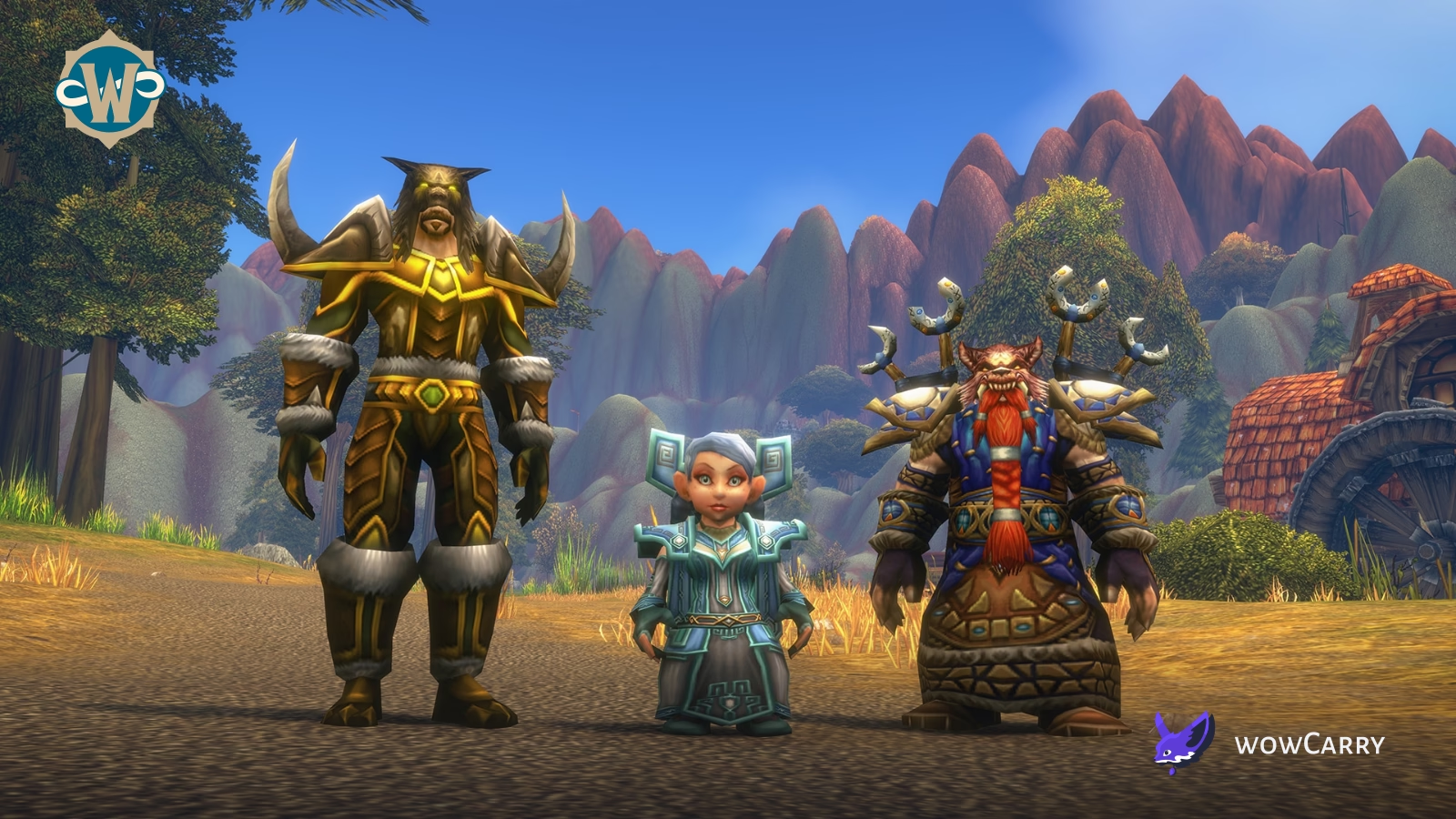
Alliance Druids can be Night Elf or Skyborne; Horde Druids can be Tauren or Skyborne. Our race/class reference lists the choices. Skyborne access requires an eligible upgrade, and its SD characters and Druid forms are planned for early 2027. See the Skyborne guide before choosing it specifically for an SD appearance.
Shifting Power is present in the later development notes: the October 1 update introduces it, and October 8 prevents using it at full Energy. The later Furor change retains previously held Cat Energy when entering Bear or Dire Bear, while those forms still prevent Energy regeneration. Do not read the early deep dive’s “future beta” wording as the final availability state.
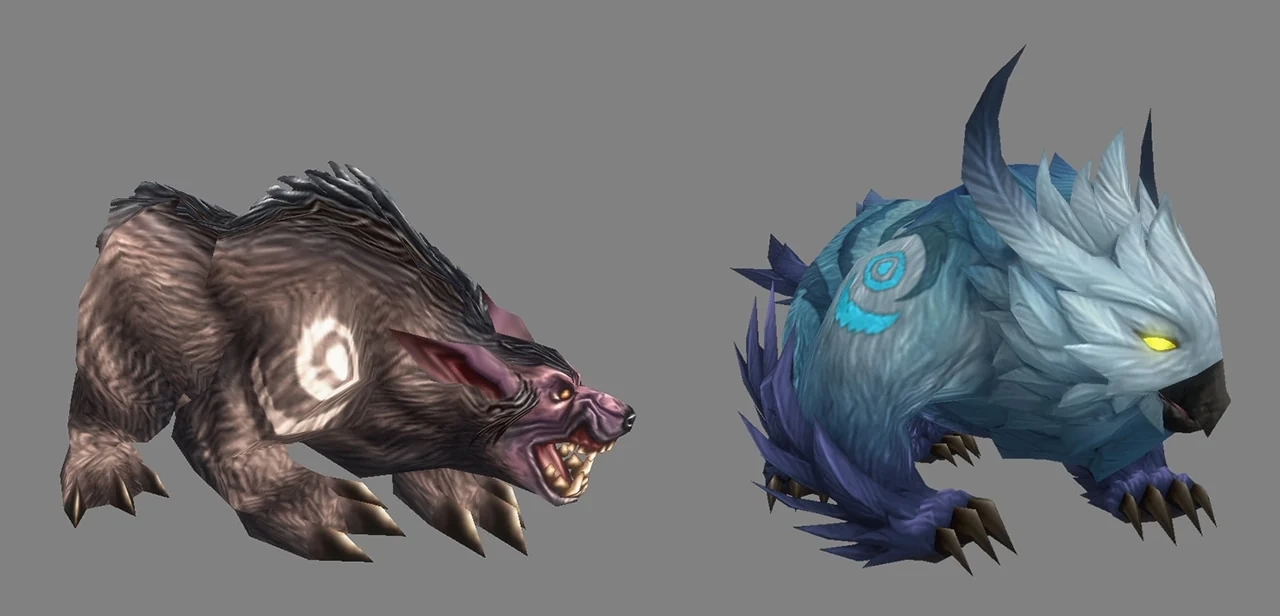
Cover: Blizzard’s visual-development comparison of an original-era Bear and a Skyborne Bear. It is a model preview, not gameplay testing or a damage comparison. Official visual update. © Blizzard Entertainment.