Which Class Should You Play in WoW Forever?
Choose the role and combat style you want to repeat for an entire 1–60 journey. Hunter and Warlock suit players who enjoy managing a companion, Mage suits ranged spellcasting and control, Rogue suits stealth and close-range damage, and Warrior suits weapon combat with a tanking option. Priest and Shaman combine healing with damage paths; Druid and Paladin offer tanking, healing, and damage options.
Those are playstyle recommendations, not a measured damage ranking. Forever revises familiar talents, baseline abilities, and itemization. A Classic endgame tier list cannot establish which specialization will lead a new level-60 raid, and the now-closed level-30 beta did not settle that question.
Compare All Nine Classes by the Work You Enjoy
| Class | Roles to consider | Choose it if you enjoy | Tradeoff to accept |
|---|---|---|---|
| Druid | Tank, healer, melee or ranged damage | Changing forms and adapting to a group’s needs | Different roles need appropriate gear and talents; versatility does not supply every utility tool |
| Hunter | Damage | Ranged attacks, a pet, traps, and deliberate positioning | Pet management and the close-range dead zone still matter |
| Mage | Damage | Spellcasting, crowd control, and controlling distance | Mana and vulnerability when enemies reach you |
| Paladin | Tank, healer, melee damage | Armor, supportive tools, and Seal/Judgement decisions | No conventional interrupt; the tank taunt depends on the Seal system |
| Priest | Healer or ranged damage | Healing, shields, or Shadow damage | Cloth defense and reliance on teammates for protection |
| Rogue | Damage | Stealth, melee control, and planning openers | Close-range positioning without a healing or tanking role |
| Shaman | Healer, melee or ranged damage | Totem placement and elemental support | Totem decisions remain important; do not count it as a fully interchangeable dedicated tank |
| Warlock | Damage | Demons, damage over time, and resource management | Your pet and control tools require attention |
| Warrior | Tank or melee damage | Weapons, Rage, stances, and leading pulls | Taking unnecessary damage creates recovery costs even with a revised toolkit |
Try choosing two finalists rather than nine simultaneous alts. One should meet your practical needs; the other should be the class whose ordinary combat you most want to play. If those are the same class, you have a stronger starting decision than a speculative tier list can provide.
Best Starting Points for Different Players
Mostly solo questing
Shortlist Hunter or Warlock if you want a companion involved in your pulls. Shortlist Druid or Paladin if you value having more ways to respond when a pull goes wrong. These recommendations follow their toolkits, without promising the fastest leveling time. A pet sent through an unsafe path can create more trouble than it solves.
For a fair comparison, play a normal sequence: reach a quest area, defeat several enemies, loot, recover, and handle an unexpected extra enemy. Count downtime and control effort as part of the experience. A memorable critical hit is a poor measure of a class you will play for weeks.
A regular dungeon group
Choose a willing tank and healer before optimizing the damage lineup. Warrior, Druid, and Paladin deserve a tanking discussion; Priest, Druid, Paladin, and Shaman deserve a healing discussion. Match the character’s intended build and equipment to the job. A class having a healing tree does not mean its current damage build is ready for every healing assignment.
After roles are covered, discuss control and recovery: who marks a target, who stops a dangerous cast, and who handles a loose enemy? Class diversity can solve problems that a screenshot of damage totals does not reveal.
World PvP or roleplaying
For world PvP, decide whether stealth, ranged control, durable support, or direct melee engagement sounds most appealing. For roleplaying, race, faction, and character identity may be stronger criteria than a small theoretical damage advantage. Choose your regular community first; class choice cannot bypass ruleset or faction restrictions.
What Forever Changes About Familiar Choices
Hunter and Druid updates give Hunters combat traps and scaling pets, while Druids gain more actions usable in forms and an out-of-combat resurrection. The practical consequence is greater flexibility, rather than permission to ignore pet control or group role preparation.
Priest and Warrior updates broaden Priest tools and revise Warrior resource behavior. Avoid building your decision around one beta coefficient: resource tuning and bug fixes can change, while a preference for healing or weapon combat is much more durable.
Mage and Shaman updates develop spellcasting options and make Shaman totems easier to manage. Easier management still leaves placement and totem selection as gameplay choices. A Shaman’s temporary small-group tanking tools should not be read as proof that every raid tank assignment is supported.
Rogue and Warlock updates retain distinct stealth and demon-based identities. The Paladin deep dive expands all three Paladin paths while preserving limits such as the lack of an interrupt. Choose the class for what its complete toolkit offers, not a claim that revisions remove every weakness.
Race, Faction, and Talent Decisions
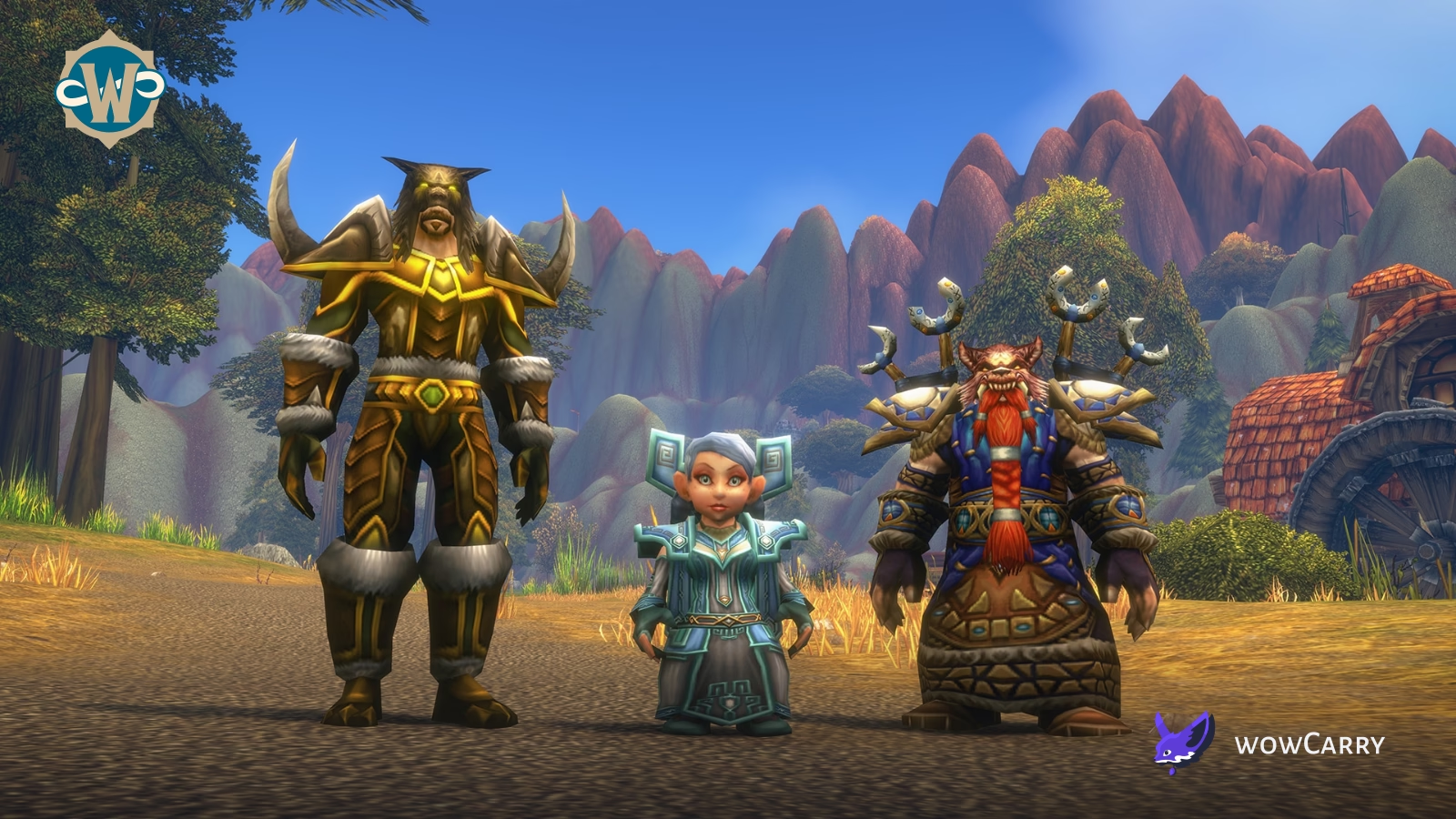
Forever adds Gnome Priests, Human Hunters, Dwarf Shamans, Orc Mages, Troll Warlocks, and Undead Paladins. This matters for group planning: both factions have routes to Shaman and Paladin. It does not mean every race can become every class.
Skyborne have a separate faction-dependent class selection: Horde Windshapers can become Shaman, and Alliance High Order can become Mage. Both can become Warrior, Hunter, Rogue, or Druid. Skyborne access is an optional upgrade entitlement, separate from the normal subscription route into Forever.
Talents begin at level 10. Trainer visits are required to change talents, including Legacy talents, and Dual Specialization is announced for level 40. Do not plan a low-level character around free access to a second specialization from the beginning, or copy a talent import from a different WoW version without checking it.
Read the Guide for Your Class
Once you have a shortlist, check the mechanics that affect your ordinary play. Each guide below explains the class’s current announced tools and important exceptions.
- Druid: actions usable in form, weapon DPS, Bear pull limits and party-targeted healing.
- Hunter: pet-family utility, trap rules, shared cooldowns and ranged positioning.
- Mage: Arcane Blast stacks, frozen-target spells, Heating Up and scrolls.
- Paladin: Seals, Judgements, taunts, group buffs and Forbearance.
- Priest: healing targets, Weakened Soul, racial utility and current Shadow mechanics.
- Rogue: poisons, weapon requirements, Sap setup and Combo Point interactions.
- Shaman: totem presets, relocation and Recall, buff compatibility and Fire Nova placement.
- Warlock: Banes and Curses, demon bonuses, pet resources and Soul Shards.
- Warrior: Rage, stance changes, Victory Rush and shield-dependent talents.
Before creating characters with friends, agree on the same ruleset and faction. Check the full race/class list for available combinations rather than inferring them from one class example.
Reviewed November 1, 2026. Linked class guides incorporate later official beta updates. Class recommendations describe playstyle and group needs; they are not measured level-60 performance rankings.