Vengeance’s Sigils Became a Central Dragonflight Story
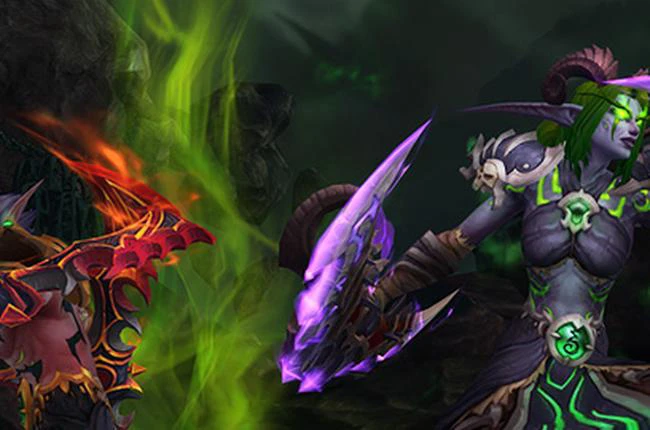
Patch 10.2 added Illuminated Sigils, strengthening both Vengeance’s sigil availability and its defenses against affected enemies. That change helps explain the discussion around the specialization in early 2024.
This retrospective covers the period of Itamae’s February 1, 2024 editorial on Wowhead. The mechanics are grounded in Blizzard’s Guardians of the Dream update notes; the design criticisms and wishlist are credited to their original author.
Four Documented Changes That Shaped the Discussion
| Patch 10.2 change | Documented effect |
|---|---|
| Illuminated Sigils | Sigil skills gained one additional charge. Parry chance against enemies afflicted by Sigil of Flame increased by 20%. |
| Ascending Flame | Sigil of Flame’s initial damage increased by 50%, with multiple applications allowed to overlap. |
| Fel Devastation | Damage increased by 30%; cooldown reduced from one minute to 40 seconds. |
| Fiery Brand and Burning Alive | Fiery Brand lasted two seconds longer. Burning Alive spread it every second instead of every two seconds. |
These entries changed different parts of the kit: available charges, target-specific defense, damage, cooldown timing and debuff coverage. Treating the patch as only a generic damage buff misses those distinctions.
Extra Control and Extra Mitigation Were Different Advantages
Itamae linked Vengeance’s Season 3 dungeon strength to the interaction between its control tools and that dungeon pool’s casters. His assessment was about an encounter environment, rather than a timeless ranking of every tank.
An extra sigil charge gives the player another opportunity to schedule an effect. Its value depends on the next dangerous cast, which enemies are susceptible and what the rest of the group can cover. Having another charge and preventing the right cast are related, but they are not identical outcomes.
The defensive part of Illuminated Sigils also had a precise condition: its parry benefit referred to enemies afflicted by Sigil of Flame. A parry-chance increase is not a blanket reduction to every source of incoming damage.
Why a Strong Dungeon Tool Could Have Less Raid Value
Dungeon control can stop an action before it produces damage. A raid encounter may present a different problem: an unavoidable event requiring planned mitigation or group support. The same talent can therefore have different practical value without its numerical wording changing.
For a historical comparison, identify the event being answered. Was a sigil stopping a cast, helping position a pack or supporting personal survival against a particular enemy? That gives a more useful explanation than calling the whole kit universally strong or weak.
The Resource and Talent Criticism Was About Design
Itamae questioned how Fury and Soul Fragments fitted together, the role of short defensive effects and the limited freedom created by talent pathing. He also wanted clearer Soul Fragment behavior.
These were criticisms of how decisions were structured. They should remain separate from a claim that the specialization could not complete content, or an instruction to ignore one resource in every situation.
A useful resource explanation identifies what an action generates, what a spender consumes and which defensive effect depends on it. A copied rotation label alone cannot answer all three questions.
The Wishlist Was Written Before the Hero Trees Were Playable
Itamae discussed possible directions for Aldrachi Reaver and Fel-Scarred and hoped for improvements to the baseline kit and group support. Those were early expectations, rather than a report of the final Hero Talent implementations.
The later June 2024 Demon Hunter tier-set preview records another stage of development. Keeping those dates attached lets readers follow the history without treating a wishlist as a released feature.