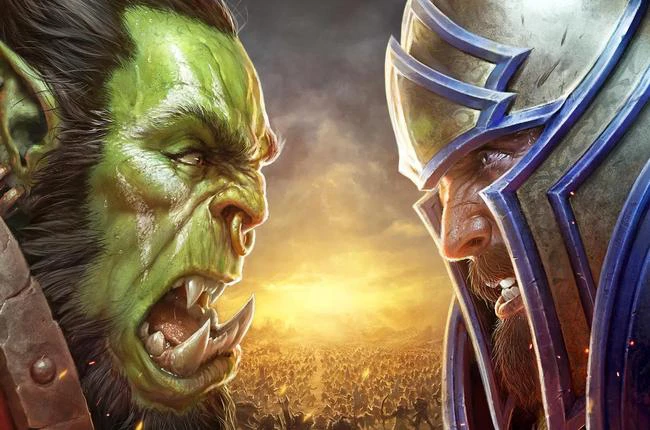
Welcome to the latest discussion on the evolving peace between the Alliance and Horde within the World of Warcraft universe, brought to you by WowCarry. As longstanding enemies turn into allies, questions about the lasting impact on faction identity take center stage. Today, we delve deep into how this newfound unity affects the lore and player dynamics in the game, reflecting on comments from key characters and analyzing potential future directions for the story.
The New Era of Cross-Faction Alliance
Historical Peace and Cross-Faction Initiatives
Following the Fourth War, an era of peace has been tentatively established between the Alliance and Horde. Noteworthy events, such as Horde leaders inviting Alliance members to significant ceremonies and both factions collaborating in the Dragonflight Expedition, signify a shift towards cooperation. These actions not only show a physical mingling of the factions but also illustrate a narrative pushing the boundaries of the traditional faction divide necessitated by the evolution of the game's storyline.
The Rise of Cross-Faction Guilds and Races
The introduction of cross-faction guilds marks a significant change, allowing players from both factions to join forces to conquer end-game challenges. This development is complemented by new in-game races and even the first Horde-aligned dwarves introduced by the Earthen, making it clear that the game's developers see a united player base as a pivotal part of Warcraft's future.
Preserving Faction Identity Amid Unity
Alleria's Vision of Unity
In a revealing quest during the max-level campaign, Alleria Windrunner articulates a vision of a unified purpose beyond factional lines. Her collaboration with Lilian Voss against the looming threat of Xal'atath illustrates a pragmatic approach to existential threats, highlighting that the divisions of the past are less relevant when facing greater dangers. This narrative thread echoes longstanding Warcraft themes, reminiscent of the critical alliances formed in past expansions such as Mists of Pandaria.
Risks to Factional Distinctiveness
Despite the benefits of unity, there are valid concerns regarding the dilution of distinct faction identities. The gradual blending of the Alliance and Horde, as seen through the cooperative efforts and shared cities, raises questions about the future of these groups. Can the Horde maintain its unique culture and values if it becomes too aligned with Alliance philosophies, or will it merely be absorbed?
| Element | Pre-Cross-Faction | Post-Cross-Faction |
| Guilds | Faction-specific | Integrated |
| Campaigns | Faction-focused narratives | Unified threats and objectives |
| Cultural Exchange | Minimal | Increased, shared experiences |
Conclusion
The transformation of the Faction dynamics in World of Warcraft poses both opportunities and challenges. While the collaborative efforts foster a sense of global unity within Azeroth, they also necessitate a closer examination of what defines the Alliance and Horde beyond conflict. As the game progresses, it will be crucial to balance the narrative of cooperation with the preservation of unique cultural identities, ensuring that both factions retain their distinct charm and appeal. The path forward is one of cautious integration, where unity does not mean uniformity.
Remember, preparation is key, and with WowCarry services you're always one step ahead. Let us help you carry your gameplay to new heights as you get ready to conquer Dragonflight Season 4!